
Knowledge Networking Portal for Sustainable & Responsible Tourism









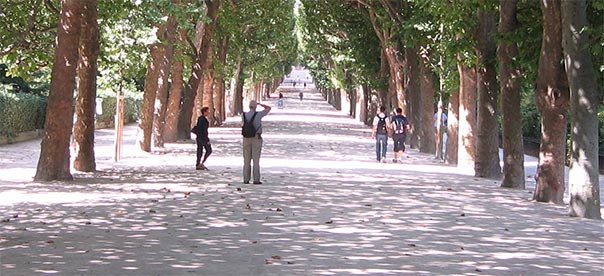
 Trekking from Namrung to Lho Gaon

Leaving Namrung: Taking a Morning Walk Through a Nubri Village
Witness the Namrung departure point of the Manaslu Circuit Trek for culture, altitude, landscapes, and information of Nepal trekking packages.
Important trekking points from Namrung (2,630 meters):
- Traditional Nubri village houses & monasteries.
- A gradual ascent that facilitates acclimatization.
- Panoramic views of Manaslu (8,163 m) & Ganesh Himal (7,422 m).
- Teahouses, Permits, and Guided trekking support.
So, from Namrung with an altitude of 2,630m, the action begins with prayer flags fluttering in the wind, houses of stones lined with snow, and serene village roads. In the Manaslu Circuit Trek, a sense of serenity and strong cultural heritage of the region pervades the area. Trekkers immerse in the land of the Nubri people and their Buddhist heritage all in the same breath.
Here, Namrung village itself (2,630m) is an example of Tibetan-style architecture in the region and offers a glimpse into village life in these mountains. Stone fences, carvings on mani stones, and houses made from wood line this small path, reflecting morning chores such as turning prayer wheels and chanting from monks. Here, it is village life in Nubri, Manaslu Circuit, and Himalayan villages that define the starting point.

Actually, the trek begins to ascend gradually northwards along the Budhi Gandaki river valley (1,300 to 2,000 meters). There are stone staircases passing through fields of barley and yak pastures. The gradual ascent is a good way to acclimatize. Altitude and trekking safety are still core issues when trekking the route to Manaslu.Here, the valley starts to open up, and far-away peaks of the Himalayas emerge in sight. Manaslu (8,163m), Naike Peak (6,211m), and Ganesh Himal (7,422m) appear distinctly, providing initial mountain perspectives that boost the spirits of the trekkers. The landscape of the first day of the morning, with the vistas of the Himalayas and trekking trails, establishes the mood of the next stage.
Prior to embarking into Namrung, breakfast facilities are available through teahouses. The trekker's diet consists of Tibetan bread, porridge, and hot tea, which provides sustenance to aid trekker energy and adaptation to the high altitude. "Nutrition, tea houses, and trek preparation remain significant themes during this section."
In this stage of the hike, permits and arrangements operate in the background to steer the hike. To move ahead, you will require MANASLU Restricted Area Permit, MCAP, and ACAP. This is why you will find that Jagat (1,340m) onward is more of a guided hike. Thus, permits for a hike, hiring a guide for Manaslu, and following trekking regulations are important.
Generally, you can expect to settle around 45 to 60 dollars for your daily trekking plan. This would include your guide, a host to stay with, and meals to eat. This is why your budget from Namrung to Lho treks in a relatively similar manner. All things considered, it is safe to say that a Manaslu treks cost, your guide option, and your overall Nepal treks offer a great deal.
Likewise, departing Namrung also marks the beginning of an emphasis on the spiritual and cultural cycle of the Nubri villages located in higher reaches. The serene and uneventful pace promotes thoughtful trekking and a slower pace to ensure trekking participants feel a connectedness to the lives of the people and culture of the Himalayas. Cultural Immersion/Nubri Heritage acts as an influencer for the Manaslu Circuit Trek offerings, which include these elements.
0.81855800%201738673284.webp)
First Steps: Entering the Dense Rhododendron and Fir Forests
A trekking experience that involves a walk through the rhododendron forests and fir tree forests along the way to Lho Gaon and Namrung in the Manaslu Circuit Trek.
Summary of the forest section: From Namrung at 2,630 m to Lho Gaon at 3,180 m:
- Forest type: Rhododendron and fir forests.
- Key mountains: Manaslu (8,163 m), Himalchuli (7,893 m).
- Elevation gain: ~550 m.
- Emphasis on trek: Acclimatization, views, and biodiversity.
Mainly, the trail from Namrung (2,630m gradually embarks on dense forests of the Alpine type. The forests in this region are predominantly rhododendron and fir. The atmosphere is characterized by cool shades and silence. The Manaslu forest trek is thus preceded by the Alpine vegetation biome.
Here, the ascent continues steadily to reach Lho Gaon (3,180 m). The trek becomes a mixture of stones covered with moss, with wooden bridges to cross. The trek continues to remain a steady ascent, ensuring acclimatization to the elevation. The Manaslu trek route continues to be the same.
In fact, Spring brings rhododendron flowers to the forest. Additionally, firs serve as a source of protection for the trekker from the sun. Such an aspect will give the Manaslu Spring Trek a significant meaning when it comes to trekking during spring.
Likewise, wildlife signs move along the trekking trail, in some places featuring bird life in the Himalayas, as well as mountain langurs. Mountain trekking, therefore, provides additional naturalism to the adventure journey, which focuses on biodiversity in Manaslu, as well as biodiversity in the Himalayas, and natural observation of eco-trek members
Here, peaks of the mountains appear intermittently as one walks through the gaps between the tree lines, with the most prominent ones being Himalchuli (7,893m) and Manaslu (8,163m) peaks.
However, the forest trail involves disciplined trekking. This seems to take a longer time because there are no people in the shade. For example, going through the shade, one should drink plenty of fluids and trek rhythmically. Thus, there are mixed techniques involved in the trekking process.
Importantly, Lho Gaon at 3,180 m marks the shift to higher Nubri territory. It gets the trekkers up through the steps above the forest line into thinner air for broader panoramas. This makes altitude awareness, Manaslu acclimatization, and high-altitude village trekking particularly relevant.
In summary, the walk between Namrung and Lho through the forests assists in an easier physical and mental adjustment. Besides, being with nature itself will get the trekkers prepared for the tougher alpine parts of this journey onward.
In other words, this section balances efforts, views, and altitude gain with prime forest walking and excellence in Himalayan trekking as a prelude to the Manaslu Circuit Trek.
The Steady Climb: Gaining Altitude on the Manaslu Trail
Gradual altitude gain on the Manaslu Circuit Trek is elucidated here with information on acclimatization, elevation reached, cost, and guided trekking recommendations.
Summary of altitude gain on the Manaslu route:
- From Lho Gaon (3,180 m) up to Shyala (3,520 m).
- The gradual rise helps with acclimatization.
- Notable peaks in view: Manaslu 8,163 m and Himalchuli 7,893 m.
- Focus Keywords: Altitude Trek, Manaslu Circuit Trek, Guided Ascent.
During this stage, the Manaslu Circuit ascent from Lho Gaon at 3,180 m begins as an important transition. The route follows here is laid with some gentleness, allowing for a gradual gain in elevation and a controlled rhythm of trekking. The trekkers expose themselves to an orderly rise in terrain and thus more safety in altitude acclimatization, as altitude trekking is the core of the Manaslu Circuit, as also Himalayan ascent in this section.
Beyond Lho Gaon, the trail climbs gently at 3,180 m to the village of Shyala at 3,520 m. The landscapes are carved by yak pastures, stone walls, and alpine terrain. This setting aids trekkers in naturally becoming accustomed to thinner air. It continues with the idea of a gradual ascent along with altitude adaptation, taking in careful route planning for Manaslu.
From the ridge tops, the skyline is dominated by Manaslu 8,163 m, Naike Peak 6,211 m, and Himalchuli 7,893 m. These towering views act as motivators during long uphill stretches, balancing the physical effort against rewarding scenery. The presence of the Himalayan peaks and Manaslu vistas underpins the endurance of the trek.
Here, the steady climb fosters disciplined pacing and proper hydration as well. Guides recommend going in for slow, deliberate steps with mindful breathing, considerably reducing the chances of altitude sickness. Acclimatization guidelines, safe trekking on the Manaslu route, and guides continue to be important.
In fact, the topography continuously alternates between forest edges and open alpine slopes. With altitude gain, the fir forests thin out, leaving trekkers to stronger sunlight and cooler winds-a characteristic that makes alpine trekking, altitude zones, and the broader Himalayan environment increasingly evident.
Moreover, teahouses come along sporadically, giving opportunities for rest and refueling. Basic meals can replenish the energy level of sustained climbing, helping trekkers maintain vigor and morale. Manaslu teahouses, meal service during trekking, and energy management are some of the important things.
Above 3,500 meters, altitude awareness becomes critical. They monitor headaches, breathing closely, and fatigue for early recognition of symptoms to avoid complications. The priorities include prevention of altitude sickness, Manaslu acclimatization, and general health of trekking.
On the route to Manaslu, you will be spending around USD 45-60 every day. Those totals include your guide, meals, and places to stay. Due to this, the rate of budgeting stays nearly the same for all Manaslu trekking packages. In short, the cost of Manaslu Trek, the value of a guided journey, and how reasonably priced the trekking in Nepal feels all stand out.
As the trail ascends gradually, so does it build the confidence of travelers in the more challenging parts of the trek that lie ahead. The trekkers also notice that they are physically prepared for Samagaun, located at 3,530 meters. At the same time, their mental game strengthens as they adapt to the altitude. This stage, therefore, brings together Manaslu Circuit Trek preparation with altitude confidence and the progress of the trek.

Crossing Streams and Waterfalls: Sounds of the Himalayan Wilderness
Actually, crossing streams and chasing after waterfalls are the rhythms of the Manaslu Circuit Trek. Trekking from Lho Gaon (3,180 m) to Shyala (3,520 m), the constant melody of running water finds itself in tune with your footsteps. The treks are immersed deeply in nature due to such a setting.
Typical water bodies found in this region:
- Streams: Glacial-fed, bridge crossings.
- Waterfalls: Meltwater from seasonal snow.
- Elevation range: 3,180 Important keywords: stream crossings, Himalayan wilderness, Manashu Circuit Trek.
Moreover, the Himalayan ranges in this area provide a background of mountains, including Manaslu at 8,163m and Himalchuli at 7,893m, from whose glacial streams glacial rivers flow in riotous crash down beside the trail. Wooden and solid stone bridges provide safe points for crossings, allowing hikers to maintain their pace. In this region, stream crossings, safety, and trek infrastructure prove to be important factors.
During warmer months, waterfalls cascade beside the trekking trail, with increased water levels during spring and summer months making water bodies more significant in contributing to trekking routes during spring when doing the Manaslu Circuit trek in Spring.
Here, landscapes along the journey keep varying. The sound of water breaks the tranquility of the forest, providing moments of mental relief and focus to the trekkers. The combination of nature sounds, along with the movements, elevates the sensory aspect of the wilderness walking activity.
Right footing is always critical, especially on wet rock. The guides stress the importance of slow steps and the use of trekking poles to avoid slipping on the path ahead.
In fact, the streams are also important sources of fresh water to rely upon during the trek, and trekkers will make use of tablets to purify the water in a responsible manner. Water is a significant part of trekking to Manaslu.
Meanwhile, there also isn’t any additional cost for crossing the streams. Then the cost of the treks done in a day remains within the USD 45 to 60 price range. This implies that the presence of the features of the wilderness does not impact the price in an expensive manner.
Henceforth, Manaslu Circuit trek Package brings forward the effectiveness of the treks in an immaculate manner. Crossing the streams prior to steeper alpine routes prepares the trekkers for the routes that are yet to come. Along with that, the challenges posed by nature help in increasing the confidence levels. Henceforth, the trekkers end up feeling prepared and alert.
Arriving in Lihi: Glimpses of Manaslu Through the Trees
Landing at Lihi in the Manaslu Circuit Trek - elevation info, views of Manaslu, culture experiences, and trekking package advice.
Key features of Lihi (2,920 m):
- Early glimpses of the Manaslu 8,163 m
- Traditional Nubri village atmosphere
- Mani walls and chortens
- A short rest stoppage on the Manaslu Circuit Trek.
Meanwhile, the plane touches down in the high-altitude hamlet of Lihi at 2,920 meters, its gentle excitement the first experience on the Manaslu Circuit. The hamlet of Lihi, the Manasla Circuit, as well as the Himalayan hamlet, are part of this transition experience.
Here, Lihi is perched at an altitude of 2,920 meters and is just above the Budhi Gandaki valley. The valley is 1,300 to 2,000 meters. The environment is dominated by ancient stone houses and juniper and pine trees offering protection and spiritual significance to the location. Nubri culture, villages of the Himalayas, and the trekking route of Manaslu are features of this location.
Further, brief glimpses of Manaslu appear through the trees, its peak of 8,163 meters slowly emerging rather than suddenly appearing. The slow emergence of the mountain creates a sense of eagerness in trekkers as they move forward.
Actually, the path to Lihi is a gentle and undulating one that is pleasant to tread. The relatively low height ensures that breathing and rhythm remain consistent, making the process of acclimatization seem effortless. The necessity for acclimatization to height, Manaslu acclimatization, and trekking can now be appreciated.
Along the periphery of the village, mani walls and chortens line up. Stones carved with Buddhist mantras give a message to trekkers to trek with mindfulness. The trek is made richer by the influence of Tibetan Buddhism, mani walls, and trekking.
However, the teahouse services offered by Lihi are quite humble yet welcoming. Tea, snacks, and rest stops go a long way to help with the energy needed to continue the trek towards the north. Teahouse facilities and the support system during the trek to Manaslu are important.
In fact, itineraries do not often overnight in Lihi; trekkers generally head towards Sho Gaon (3,000 m) and Lho Gaon (3,180 m). Even though it is a short stop, it fits well within overall Manaslu route and trekking itineraries.
Therefore, the daily trekking cost here stays steady at USD 45–60. Elsewhere, the package typically covers guide support, meals, and lodging. In other words, Lihi adds on scenic value with no additional costs. Manaslu trekking cost, value trekking, and Nepal's overall affordability shine through as a result.
More importantly, the attach to Manaslu landscapes is emotional upon arrival in Lihi. Subtle glimpses of mountains add to the trekking experience, thereby making trekkers closer to the High Himalaya. Thus, this is how the Manaslu Circuit Trek unfolds with stronger scenic immersion and Himalayan anticipation.
Passing Sho Gaon: Mani Walls and Prayer Flags Along the Path
During the Manaslu Circuit Trek, Sho Gaon exposes travelers to the cultural highlights, altitude information, and Tibetan Buddhist landmarks.
Cultural attractions of Sho Gaon (3,000 m):
- Mani walls Long stone walls with carved prayers.
- Prayer flags Wind-carried Buddhist mantras.
- Key peaks Manaslu (8,163 m), Himalchuli (7,893 m).
- Trekking focus Culture, spirituality, acclimatization.
Here, trek towards Sho Gaon (3,000 m) adds a stronger cultural twist to Manaslu Circuit Trek. It has a very strong Tibetan culture imprint in its design and thus makes Buddhist symbolism even stronger. In this case, there is a connection between Sho Gaon, Manaslu Circuit, and cultural trek.
Here, Sho Gaon is situated on a gentle hillside overlooking the main valley. Houses constructed out of stone are positioned along ancient routes, and the village pattern evokes a synthesis of spiritual and environmental balance. The Nubri valley settlements, examples of Himalayan villages, and Manaslu trail culture become clearer.
Moreover, long mani walls guide the trail entrance into Sho Gaon. Inscribed stones hold religious mantras and symbols. These direct the trekkers to move in a clockwise manner. Mani walls, Tibetan Buddhism, and proper trek practices add colors to this journey.
Likewise, colorful prayer flags stretch along the paths and rooftops, and prayers are carried by the wind to Manaslu (8,163 m) and to Himalchuli (7,893 m) peaks. Spiritual vibe surrounds each step, and prayer flags, the spirituality of the Himalayas, and the Manaslu Cultural Landscape are the features.
Here, “Altitude remains under control.” Climbers maintain consistent breathing and pacing in the mountains. Climbing safely, altitude treks, and acclimatization in the Manaslu region remain critical.
In fact, the locals cultivate crops and raise livestock around the village. There are fields of barley and yak sheds that encircle the villagers. In this way, the culture of the local people, life in Nubri, and cultural trekking are enhanced.
Mainly, the overnight stay, however, appears to be relatively advanced at Sho Gaon, measuring about 3,180 meters. The significance and role of Lho Gaon, however, are as a cultural route, and as such, trekkers make a brief stop and then continue their journey ahead. Consequently, the trekking itinerary designed for Manaslu also holds true when it comes to distance, time, and trekking pace here as well. The trekking fee, however, remains constant, within a price range of USD 45-60 per day, with no separate fee for cultural destinations either.
Therefore, you have your share of cultural sustenance without having to spend an extra penny. The Manaslu trek’s value, its cost-effectiveness, and cultural dividends are properly aligned in this regard. Advancing ahead from the cultural destination of Sho Gaon also helps to develop an emotional connect with Buddhist traditions across the slopes of the Himalayan ranges. Prayer flags and mani wall installations create an enduring image, and many people find themselves spiritually replenished as they progress upward as well. This particular leg of Manaslu Circuit Trek brings a conclusion to its Manaslu trek’s significance and cultural deliverance as well.
Barley Terraces, Chortens, and a Silent Preservation of Buddhist Culture in the Manaslu Circuit
Find barley terraces and chortens through the Manaslu Circuit Trek, with information about altititude, Nubri culture, and Buddhism.
Cultural Landscape Highlights:
- Barley terraces near Lho Gaon (3,180 m).
- Frequent Buddhist chortens along the trail.
- Nubri farming traditions.
Meanwhile, on the trekking route of Manaslu Circuit Trek, Barley terraces are aptly noticed just after Sho Gaon (3,000 m) points. Barley terraces are a manifestation of Nubri farming acumen over a span of centuries. In this manner, Barley terraces, trekking route of Manaslu Circuit Trek, and farming practices of the Himalayas shape up the landscape.
In the area close to Lho Gaon (3,180 m), barley cultivation lies on a gentle slope protected by a stone wall, which prevents soil erosion. It’s a very good example of sustainable mountain agriculture. The highland agriculture, the culture of the people of Nubri, and the trekking trails harmonize perfectly.
Along the edges of the trails are the chortens—a colony of whitewashed Buddhist monuments. These are the beckons for trekkers to tread the path in a meditative pace. The chortens are an integral part of the Tibetan form of Buddhism.
Also located around intersections of trails and village entrances are more chortens, their base accompanied with prayer wheels and designs. This is indeed a spiritual companion offered to every step of the Himalayan spirituality, Manaslu culture, and mindful trekking.
In fact, the surrounding landscape is felt to be quieter and broader in scale. The forests open up as agricultural land increases, allowing for broader views across valleys. It is a region in which alpine scenery, the type offered by Manaslu, and open easy trekking ground come together. Such conditions attract trekkers.
Here, locals are kept busy with planting and harvesting crops, with barley being an important element in villages' food security. Trekkers acquire more knowledge about an area that is self-sufficient in terms of work and resilience—from Nubri culture, which is part of Manaslu trekking culture.
However, all trekkers are warned to go easy, as the land, the harvests, and the holy sites demand respect. In this regard, all cultural preservation is still in place, upholding the value of eco-sensitive trekking and the ethics of the Manaslu trekkers.
No extra amount is required as an entrance charge for these cultural features, while the expenses of daily trekking lie in the range of about USD 45-60. To put it briefly, you get cultural richness without paying more. It all lines up: value of Manaslu Trek, affordability, and deep cultural immersion.
In summary, terraces of barley and chortens form a quiet, moving link with the life of Himalayan Buddhists. Sacred symbols pop up repeatedly to reinforce what is unique about the region. The sense of spiritual steadiness in your journey will begin to feel a little stronger as you ascend upwards under the open sky.
All in all, the meaning of Manaslu Circuit Trek, its Buddhist culture, and the broader Himalayan heritage seem to be summed up in a nice way in the following.
The Trail Opens Up: First Clear Views of Mount Manaslu
Experience the first clear views of Mount Manaslu on the Manaslu Circuit Trek with altitude, scenery, and trekking insights.
Important perspectives around Lho Gaon (3,180 m):
| Mountain | Elevation |
| Manaslu | 8,163 m |
| Himalchuli | 7,893 m |
| Naike Peak | 6,211 m |
Meanwhile, the Manaslu trail widens out considerably at Lho Gaon (3,180 m) for the Manaslu Circuit Trek. The trail bursts out from under the canopy of trees to expose the open surroundings to the trail. And suddenly, the trail offers a full view of the Himalayas with Manaslu (8,163 m), the mountain itself. The view is almost palpable—the massive white body of Manaslu standing tall behind the ridges, beckoning the trekkers to stop for a while to absorb the sight.
Here, the appearance of Naike Peak (6,211 meters) and Himalchuli (7,893 meters) alongside Manaslu is when the valley is framed in a beautiful and harmonious composition. It is a sight that encourages a broad-angle photograph or a staring contest, as photography itself becomes an instinctual act. It is a reminder of why these points of view are so important on a Manaslu trek.
Further, the open landscape brings clearer views and a greater understanding of direction. The massive scale of the high Himalaya becomes apparent, encouraging trekkers to prepare themselves for what lies ahead. It's a crossing point between Alpine trekking and altitude understanding, and it signifies the beginning of another phase of trekking.
Here, the way at this point is still very wide and leads easily, marked by yak tracks and stone footpaths. It feels solid underfoot, emphasizing the importance of path conditions, trekking methods, and the all important journey through the Manaslu area. Good trekking shoes or boots at this point would be very important.
Furthermore, the prayer flags wave in these open areas, carrying prayers towards Manaslu. The combination of religious undertones and rugged mountainscapes provides another dimension to this experience, including prayer flags and Himalayan culture.
Likewise, the climate in these open regions can be unpredictable, with clouds often rolling in unexpectedly. It is advisable to get an early start for the best views, making the planning and timing of the trek necessary aspects as you progress towards the Manaslu region.
So, there is no additional cost for these opinions. The operating cost for a normal trek is about USD 45-60 per day. Therefore, the best scenery is still within reach. Conclusion On overall estimations, it is safe to say that Manaslu is an efficient and rewarding trek.
In summary, the first clear sights of Manaslu impart a sense of awe, and the presence of the peak is felt. This sense of proximity incites the temptation to move ahead despite the tougher remaining levels. Thus, the experience at Manaslu Circuit Trek, the Himalayan experience, and the realization of trekking achievement conclude this chapter.
Therefore, no entrance ticket exists for the gompa visit. Moreover, voluntary donations support monastery maintenance. Consequently, cultural experiences stay affordable. Thus, Manaslu trekking value, low-cost spiritual tourism, and ethical travel align.
Furthermore, spending time inside the gompa enhances acclimatization indirectly. Moreover, slow movement and calm breathing support altitude adjustment. Consequently, physical and mental recovery improves. Thus, altitude trekking, Manaslu acclimatization, and spiritual rest intersect. Finally, ancient murals and monks’ lives leave lasting impressions. Moreover, spiritual depth complements physical trekking challenges. Consequently, trekkers gain deeper Himalayan understanding.
Thus, Manaslu Circuit Trek experience, Buddhist culture, and Himalayan wisdom conclude this exploration.
Major viewpoints near Lho Gaon (3,180 m):
| Mountain | Elevation |
| Manaslu | 8,163 m |
| Himalchuli | 7,893 m |
| Naike Peak | 6,211 m |
Approaching Lho Gaon: The Mountain Dominates the Skyline
Hiking towards Lho Gaon for the Manaslu Circuit does not stall for better Mount Manaslu scenery, altitude information, culture, and trekking packages.
Important visual points prior to Lho Gaon (3,180 m):
- Mount Manaslu (8,163 m) dominating the skyline.
- Naike Peak (6,211 m) and Himalchuli (7,893 m).
- Open alpine terrain and wide valley views.
When you approach Lho Gaon at 3,180 meters, the Manaslu Circuit changes in terms of landscape, vegetation, and atmosphere. Manaslu Mountain, which is 8,163 meters, comes into view, and its enormity becomes more apparent as you walk on the trek route. The feeling of the high Himalayas is more pronounced for trekkers on the route at this point as they approach this region. The experience for trekkers is marked by the approach to the destination in Lho Gaon, the Manaslu Circuit, as well as the towering mountain
Actually, the ascent is a gentle slope through Sho Gaon (3,000m) to Lho Gaon (3,180m). This section offers open alpine meadows, rather than forest, and allows breathtaking views of the surrounding mountains to accompany you all the way. Trekking in the alpine, Manaslu Trek, and the breathtaking views of the Himalayan ranges dominate this section.
In fact, every step leads to the sensation of being even closer to the towering summit of Mount Manaslu at 8,163 meters. The glaciers, peaks, and ridges of the mountain reflect the ever-changing light, making it necessary to stop to enjoy the views. Climbing becomes a journey of viewing the mountain, trekking, and photographing.
Importantly, Naike Peak (6,211m) and Himalchuli (7,893m) also enclose the central massif, which gives it height. The skyline is made more powerful and aesthetic in its entirety at once because it retains its natural power and equality. The Himalayas, the mountains in the Manaslu region, as well as the scope of landscapes in the trek.
Importantly, the trail itself remains wide and well-tracked, following the routes of the yaks and rock paths to move through. The trail enables a comfortable walk despite the increase in altitude, which instills confidence in the ease of trekking.
Meanwhile, the prayer flags congregate in spots to gaze at views, fluttering as if to draw attention to the hills. Wind follows, as if it sweeps prayers to reach the 8,163 meter giant, Manaslu. There is a weaving of spiritual components in nature, one that connects faith in the Himalayas to natural grandeur. This is where culture, from trekking in Manaslu to prayer flags and spirituality surrounding Mount Manaslu, intermingles.
However, as the weather becomes clearer with opening up of the terrain. The afternoon winds also tend to be stronger, and guides recommend trekking at moderate speeds while wearing layers to keep comfortable. Preparations to undertake trekking, knowledge about weather in Manaslu, and acclimatization to height are essential parts of this plan.
Usually, trekkers take one day to reach Lho Gaon (3,180 m), which has an average trekking time of five to six hours. In other words, the itinerary of the Manaslu trek helps to control the trekking speed.
Essentially, the cost for day-hike trips is fixed at USD 45-60. This will include your guide, meals, and accommodation. Adding Lho will only enhance scenery without increasing expenditure. In essence, Manaslu trek packages, value trekking, and Nepal trekking plans have been synthesized perfectly.
Finally, getting closer to Lho Gaon is a significant emotional turning point. The peak of Manaslu dominates the landscape once again, symbolizing that trekkers have entered the true roof of the world. The trekkers also tend to be more motivated at this point. In other words, the journey to the Manaslu Circuit, the feeling of wonder in the Himalayas, and the achievement of a trek all happen at the same juncture.

Welcome to Lho: A Spiritual Village at 3,180 Meters
The Lho Gaon part of the Manaslu Circuit Trek is where this mix of holy life, reality at height, monasteries, and trekking experience comes to light.
Main characteristics of Lho Gaon (3,180 m):
- Attitude: 3,180m
- Main site: Ribung Monastery (3,180 m)
- Principal peak: Mount Manaslu (8,163 m)
- Trekking in focus: Religious culture, acclimatization, scenery
Entering Lho Gaon (3,180m) is an experience so peaceful, so spiritual, and so Himalayan. This Nubrian village nestles at the foot of Mount Manaslu (8,163m), and the presence of the mountain subtly influences the villagers’ way of life. This is where Lho Gaon, the Manaslu Circuit, and spiritual trekking meet.
Here, the village itself displays well-organized stone houses and spacious courtyards, with barley fields winding around at the edges. In such a context, both agriculture and religion co-exist, and it is what gives Nubri culture, the Himalayan villages, and Manaslu its own identified atmosphere.
In fact, "The Ribung Monastery (3,180 m) is the religious pulse of Lho. It commands a spectacular view of Manaslu (8,163 m)." Many trekkers halt at the monastery for a leisurely afternoon rest. The Ribung Monastery, its rich Buddhist heritage, and Manaslu's sacred geography are very important to the journey.
Likewise, prayer flags wave above rooftops, trails, and monastery grounds. A constant wind blows these prayer wishes across the valley, imparting a sense of tranquility, mediation, and Himalayan mysticism to the environment.
Moreover, the effects of altitude can be clearly realized at the location of Lho Gaon. The act of breathing becomes a slight bit slower, whereas a longer break is quite an appreciable relief. Altitude trekking, acclimatization at Manaslu, as well as trekking safety, form top priorities.
Comfort is not far off, as Lho Gaon has welcoming teahouses, which have beds lined with warm bedding, and provide hot food. Trekkers are also believed to have regained energy upon arrival, which makes Manaslu teahouses, accommodations, and rest important.
Actually, facilities such as power and internet rely heavily on solar systems. This is a kind of digital detox in the natural world, as hikers can disconnect from technology as they enjoy the simplicity of the remote villages.
Further, the price for staying in Lho Gaon is approximately 45 to 60 USD a day for trekking services—and that includes lid, lodging, meals, and a helping hand; all-in-one deal. Despite being so removed and so daunting as a destination, a comfortable stay is still quite inexpensive here. Indeed, the cost of trekking to Manaslu fits here.
Similarly, it is also a smart acclimatization stop. It’s the prep area before reaching the upper villages like Samagaun at 3,530 meters. The end result is physical and mental acclimatization to the elevation before proceeding to the next part of the journey. The point where the altitude steps and the proper climb finally reach their end is where your Manaslu Circuit Trek ends.
But there’s greater significance involved in all this, and Lho Gaon makes a significant and lasting imprint. This combination of mountains and monks and all the rhythms and rituals involved in the monastic pattern creates a phenomenal and distinct harmony and results in trekkers experiencing a personal and significant identifying link with the Himalaya. This part of the engaging trek to Manaslu feels whole.
Exploring Ribung Monastery: Peace and Serenity in the Himalayas
Exploring the Ribung Monastery in Lho Gaon in the context of the Manaslu Circuit Trek. The use of spirituality combined with altitude and Himalayan serenity.
Ribung Monastery Key Highlights (3,180 m):
- Nyingma Buddhist monastery above Lho Gaon
- Panoramic views of Mount Manaslu (8,163 m)
- Peaceful surroundings and meditative conditions
Here, visiting the Ribung Monastery at 3,180 m adds a sense of profound stillness to the Manaslu trekking Trip. The monastery is located above the village of Lho Gaon at the same elevation in the shadow of Mount Manaslu (8,163 m). It is both awe-inspiring and peaceful to be in this area. The impact of the Ribung Monastery and the Manaslu Trek starts here.
Likewise, Ribung Monastery, at 3,180 m, is a Nyingma tradition of Tibetan Buddhism. It serves as a religious center for the people of Nubri, playing a crucial role in the sustenance of religious traditions. In this context, the significance of Tibetan Buddhism, the culture of Nubri, and the heritage of the Manaslu region is underscored.
In fact, the monastery courtyard provides a breathtaking sight of the Himalayas. From afar, one can notice Mount Manaslu (8,163m), Himalchuli (7,893m), and Naike Peak (6,211m) on a clear sky. This scenic bounty opens up opportunities for introspection and raises one's spiritual fervor. A peaceful setting promotes mindfulness and slow movements. Prayer flags are found around the complex. Whispers of the wind replace the normal sounds of life. Coming up naturally are spots for meditation, Himalayan peace, and spiritual trekking.
Moreover, trekkers make a stop at Ribung Monastery during acclimatization days to acclimate to higher altitudes through smooth walks in Lho Gaon (3,180 m). This creates a balance between rest and relaxation and thereby ensures a smooth acclimatization process, safe treks to Manaslu, and monastery visits.
Here, monks welcome visitors courteously and with no hard-selling. Photography in holy places is restricted, and this again reinforces the need to be culture-sensitive. In conclusion, it is important to refer to responsible travel and monastery etiquette to ensure a respectful visit.
More importantly, the Ribung Monastery is not about a set entrance fee. They accept donations freely. In that manner, the Manaslu trek becomes more affordable. It becomes a culturally rewarding trip that offers value and ethical travel.
In fact, a daily trekking fee package remains almost the same with a range of USD 45 to 60. Including visits to the monasteries increases an element of religiousness without any additional costs. The whole trekking experience remains enlightening and budget-friendly.
Here, a visit to Ribung Monastery further enhances your bond with the Himalayas. This place is known to have peace and serenity, which is in contrast to the trekking process that involves high energy levels. Therefore, in this case, it is important to say that the significance of the Manaslu Circuit Trek also unfolds.

Inside the Gompa: Ancient Murals, Monks' Daily Life
A glimpse of the inside of Ribung Monastery at 3,180 meters on the Manaslu Circuit reveals a deep thread of Himalayan tradition. In contrast with the overwhelming mountain drama outside, the interior invites trekkers into a sacred space.
At Ribung Monastery (3,180m), within the gompa:
- Murals. Ancient Buddhist paintings on walls.
- Daily routine: prayer, mantra recitation, maintenance.
- Religious focus: Tibetan Buddhism.
Meanwhile, ancient murals on the wall bring the history of the Ribung gompa alive with startling color, as Buddhist deities and mandalas unfurl alongside spiritual stories. These images are telling stories in a visual language that retains techniques and pigments against a harsh climate, keeping cultural continuity visible through the ages. Thus, Tibetan art and Himalayan monasteries can feel intimately connected to the people and place.
Here, daily life inside the gompa puts every moment into a disciplined rhythm. Monks begin and end their days with prayers; their voices give the space a steady cadence. The atmosphere becomes musical, with chanting flowing through the halls while the altar downstairs is surrounded by kept prayer wheels, butter lamps, and sacred texts. This routine anchors spiritual responsibility in everyday activity and makes Tibetan Buddhist practices and monastery life quite real here.
Further, visitors show respect and remain in their appointed places, maintaining silence and observing modest behavior, befitting the sanctity of the place. The cultural ethics of the Manaslu region spring to life in the ways trekking is done-responsibly, sensitively, and in step with the rhythms of the monastery. Access inside is thoughtfully limited during times of active prayer, as guides coordinate the right times of visiting so the peace between monks and guests remains intact.
Likewise, an entrance ticket is not necessitated in exploring the gompa. Contributions gathered from different visitors help in maintaining the functioning of this monastery, which in some way maintains this experience to be affordable. This is how experiences in culture are made accessible, and thus, the Manaslu trek remains known in relation to value-for-money spiritual travel.
To acclimatize in an indirect, subtle manner is the benefit of spending time inside the gompa. The slow pace and calm breathing there are what facilitate the process of adapting to a high altitude. Therefore, altitude trekking and acclimatization on the Manaslu mountain are linked with spiritual relaxation.
Mainly, the ancient murals and day-to-day activities in monastic communities have a profound impact. Overall, the religious riches in this region add to the physical challenge of trekking, allowing those who complete it to have an in-depth appreciation for the Himalaya. Ultimately, Manaslu Circuit Trek is not just another adventure trekking—it is an immersion in Buddhism and Himalayan wisdom.
Panoramic Views from Lho: Manaslu Like You’ve Never Seen Before
The views from Lho Gaon in the Manaslu Circuit Trek are unobstructed and uncrowded—with the Manaslu mountain standing out in front of you.
Panoramic viewpoint at Lho Gaon:
- The place includes: Ribung Monastery terrace
- Upper village ridge
- Spacious open fields with Mt Manaslu-8,163 m.
Actually, the scenic vistas from Lho Gaon (3,180m) are what rebirth the aesthetic perspective of the Manaslu Circuit Trek. The village is right in front of the most breathtaking sight in the Himalayas - Mount Manaslu (8,163m). In this particular juncture in the journey, the scenic vistas from the route and the beauty of Mount Manaslu are intricately connected.
Here, the mountain of Manaslu (8,163 m) looms greatly over Lho Gaon (3,180 m), as the glaciers, ridges, and peaks of the mountain fill the skyline. Treks will feel a realization of both size and detail. The mountain vistas of the Himalayas and the alpine landscapes will be of prime interest.
Further, Himalchuli (7,893m) and Naike Peak (6,211m) enhance the view with their presence around the sides of Manaslu. It feels as if the terrain stretches out with a sense of harmony in the views offered by the Manaslu area with the dramatic quality of the mountains.
Open-minded hikers at Ribung Monastery (3,180m) put their surroundings in a religious context, pinpointed by prayer flags signaling where to pause and soak it all in. Encounters such as this combine Himalayan spirituality with pictorial grandeur.
Likewise, morning light accentuates mountain details, featuring sharp shadows to carve ice walls of mountains, making photography almost ideal. It is an opportunity to click picture scenarios like mountain photography, views of sunrise in Mount Manaslu, and so on.
In fact, clear skies tend to reach their peak early, and guides recommend early observation walks to take maximum advantage. As a result, with improved clarity, time and panorama planning become critical for a spectacular Manaslu experience.
Moreover, altitude awareness stays crucial at Lho Gaon, which is 3,180 meters above sea level. This helps maintain a steady breathing pattern as trekkers move slowly to take in the views without discomfort. In this way, altitude trekking, Manaslu acclimatization, and safe sightseeing all come together.
Further, panoramic views come without an extra charge, and daily trekking costs remain within the range of about USD 45-60 per day; the spectacular scenery remains accessible. The value of Manaslu trek: affordable Himalayan vistas, cost efficiency in balance.
Beyond the numbers, those wide, sweeping views forge a deeper emotional bond with the mountain. Slow, lingering gazes cultivate a richer appreciation, leaving trekkers humbled and inspired. The Manaslu Circuit Trek thus offers a compelling blend of Himalayan inspiration and scenic fulfillment.
 Sunset over Mount Manaslu: a golden moment high on the eighth wonder
Observe the sun slip behind Mount Manaslu from Lho Gaon with the golden hour lighting, bits of altitude, and the river of trekking life in the Himalayas.
Best viewing spots for sunsets in Lho Gaon (3,180m):
- Ribung Monastery: where you have a direct view of Manaslu.
- Upper village ridge: wide and expansive skyline.
- Open fields: Golden light reflection.
When the sun lowers, Mount Manaslu corrects itself to almost a magical feel as it lights up the scene in that timeless, creamy glow of the Himalayas. Lho Gaon at 3,180 meters rests exactly at the right angle for the ideal view of a perfect sunset. As the light softens, the peak takes a warm, almost otherworldly hue, redefining what you thought a mountain could be. A moment in time, Manaslu, the light of the Himalayas, and Manaslu Circuit Trek weave a singular, unforgettable scene.
Here, late afternoon light drapes the land in a gradual, gentle quiet. The ice faces shimmer in oranges and pinks, giving the whole panorama a serene, almost lyrical quality. Manaslu settles into a composed, yet formidable presence, both calm and awe-inspiring. It's a golden hour for trekking, photographing the peak, and soaking in the sweeping Himalayan views.
In fact, the nearby peaks, such as Himalchuli (7,893 m) and Naike Peak (6,211 m), assume softer tones while the long shadows start crawling along the valley floor. The perspective feels deeper, more layered, as the light fades. Indeed, this sunset scene in the Manaslu region gains a richer sense of scale and mood, turning alpine scenery into something extra meaningful.
In fact, flags of prayer drift with the breeze as the lengthening shadows at sunset whisper prayers across the glowing summits. The air is still, almost holy, and a quiet spirituality settles in upon the moment: an intimate mix of faith from the Himalayas, Manaslu culture, and evening tranquility.
Importantly, trekkers fall at Ribung Monastery, at 3,180 meters, their chatter softening into a respectful hush. In that quiet, the emotions rise and drift away, leaving a clear space for reflection. It's mindful trekking at its poignancy, a virgin Manaslu sunset experience, essentially Himalayan peace.
Hiring guides do remind one and all to put on warm clothes, as after the sun drops, the day grows cool. The temperatures fall so fast that comfort and safety turn out to be part of the plan. With just a little preparation-proper layering, awareness of mountain weather, and respect for the altitude-the sunset becomes not only breathtaking but safely enjoyed.
At other times, the clouds glint on the horizon, blocking the perfect sunset over Manaslu. But when the evening sky is clear, this experience is truly radiant. Waiting, in this case, is a wise investment.
Similarly, the weather and climate in Manaslu and the schedule for treks will inevitably affect the trekkers in planning their best viewing options. Viewing the sunset will cost nothing. The cost for the daily trekking will remain in the USD 45-60 bracket. It is apparent that the value for money in the Manaslu Trek is in place. The awe-inspiring landscape and the cost-effectiveness are well in line.
Most importantly, seeing the setting sun away behind Manaslu has a long-lasting impact. The golden hour brings about a sense of connection that fills trekkers with a sense of pride and inspiration. Later, it is memories from the Manaslu Circuit Trek and experiences from the Himalaya that bring a completion to this process.
Village Life in Lho: Teahouses, Locals, and Hospitality
See the tea houses at Manaslu Circuit Trek. Additionally, learn more about Lho Gaon.
Lho Gaon, highlight (3,180 m):
- Family-run teahouses.
- Traditional Nubri lifestyle.
- Simple nutritious meals.
In the village of Lho Gaon, at an altitude of 3,180 meters, the village experience seems enticing and earthy. After reaching this point, the pace of the Manaslu Circuit Trek becomes easygoing, encouraging one to synchronize with the typical Himalayan routine. In this manner, the experience of the village of Lho Gaon, the trek, and the hospitality blend together to form the experience of this stay.
Here, the Teahouses in Lho Gaon operate like family homes; they warmly and patiently receive visitors. This brings about an organic and respectful form of cultural interaction. The Manaslu Teahouses, its Himalayan hospitality, and village-style accommodation in this region have been recognized as a feature-defining part of this journey.
Likewise, the food served in the teahouses in Manaslu region remains simple but wholesome: dal bhat, noodles, soups, and Tibetan bread are primarily offered, catering to a balanced diet, which in turn is important for acclimatization. This trekking food has become significant to the entire experience.
Moreover, the inhabitants of the region have a balanced life of farming, animal rearing, and tourism, which is reflected in the presence of barley crops as well as yak enclosures in the vicinity of the villages. The tourists get to experience the realistic culture of Nubri, the Himalayan villages, as well as the Manaslu region.
In fact, evenings at the teahouses offer opportunities to mingle—a community starts to emerge through the storytelling that is facilitated by the warmth of the stove. The community that trekkers form, along with the social aspects of the Manaslu trek, begin to appear.
Here, children and elderly people greet guests with simple and polite gestures. This shows that hospitality is deeply rooted in the values of the people. This adds more to the emotional connections than just the scenery.
Even in Lho Gaon (3,180 m.), resources are limited and, as is common, electricity is solar-powered, adding an extra charge to devices to charge them. This is why it’s all important: planning ahead for logistics for a remote village and preparation for the Manaslu trek, as well as having realistic expectations.
When on ground, you will find that the average daily trek prices range between USD 45 and 60. Teahouse accommodations are affordable and provide very good value for money. All this fits well within a budget-friendly Manaslu trek and ensures that government benefits are not compromised.
Apart from the trail, living in the villages provides relief for hikers following physically demanding days. The hospitality found in these villages offers an amazing respite from physically exhausting trips. Indeed, when it comes to comfort in the Himalayas, the Manaslu Circuit Trek is made even more special by village hospitality.
Acclimatization Thoughts: Feeling the Altitude Kick In
Learn what it means to acclimatize to an altitude environment, how to be aware and safe during an altitude trek such as the Manaslu Circuit Trek, and how health impacts an altitude trek.
Key acclimatization tips at Lho Gaon (3,180 m):
- Focus: Hydration — drink warm fluids frequently.
- Activity: Short acclimatization walks.
- Sleep: Rest is paramount.
In Lho Gaon (3,180m), acclimatization becomes an important issue. Altitude effects also begin to make their mark, with trekkers experiencing difficulty breathing and having reduced appetite. In this region, acclimatization, the Manaslu Circuit trek, and being informed about the effects of altitude dominate.
Beyond 3,000 meters, the availability of oxygen becomes limited, and the body struggles to acclimate. Resting and staying hydrated suddenly becomes a necessity. Altitude sickness prevention, acclimatizing on Manaslu, and staying trekking fit all become relevant. These typical symptoms – the headache and fatigue – while easily treated, require immediate attention.
In fact, guides recommend moving slowly around Lho Gaon, and short and easy walks start to bring the body to acclimation without overexertion. Consequently, blood oxygen content starts to normalize.
Thus, active acclimatization, tips on trekking to Manaslu, and climbing techniques all contribute to a successful and healthy journey. Water plays a significant role in maximizing the acclimation process, and hot liquids aid in increasing blood circulation; thus, herbal tea and soup become the favorites. Thus, dehydration management during altitude trekking to Manaslu, Manaslu trekking diets, and recovery techniques all work together during this stage.
In fact, quality sleep means a lot on this journey. Teahouses give comfortable beds and quiet nights that help the body recover. Good rest means smooth physical recovery. Therefore, taking it easy at altitude-finding comfortable Manaslu lodging and comfort in trekking-remains a priority.
One more thing to remember: alcohol is not recommended at altitude, as it aggravates dehydration. Guides advise to refrain from its consumption completely. This connects with altitude safety, trekking discipline, and general health awareness.
Further, acclimatization days do not increase the cost of trekking since the expenses remain the same at about USD 45-60 per day, making safety very affordable. In return, the worth of the Manaslu Trek, along with prudent budgeting for health-and-focused itineraries, becomes aligned. Mental adjustment accompanies physical adaptation, and quiet environments support emotional balance. The stress releases itself; hence, wellbeing on the Manaslu Circuit Trek increases, together with altitude mindset and trekking confidence.
At Lho Gaon, the acclimatization would prepare you for Samagaun (3,530 m). Safety is intact with gradual progress, and confidence grows steadily. That marks the completion of this stage of Manaslu Circuit Trek preparation, namely altitude readiness and Himalayan trekking success.
Reflection of the Day: From Forest Trails to Alpine Views
Thinking about making a full day of the Manaslu Circuit Trek, from shaded forests to sweeping alpine vistas as the altitudes change.
Key takeaways as you transition from forest to alpine zones:
- Forest paths below 3,000 m.
- Panorama of the Alps around Lho Gaon, at 3,180 m.
- Clear views of Mt. Manaslu, 8,163 m.
Here, the day begins amidst dense forests below Lho Gaon (3,180 m). It is lined with pine, rhododendron, and oak. It is the time when forest trekking, Manaslu Circuit, and natural transitions mark the definition of morning.
Early reflections lean toward rhythm, nature, and steady, mindful movement. Forest trails are shady, with easy grades. Birdsong and the murmur of streams create a peaceful background.
Likewise, hikers get into a regular, predictable rhythm. The experience links trails on Himalayan forests, the route of Manaslu, and walking with awareness in order. As elevation gradually rises, so does the change in vegetation.
Further, trees thin with height. The open slopes begin to appear. This transition-altitude, Manaslu landscape evolution, and the flow of the trek-feel apparent.
Alpine views come into focus near Lho Gaon 3,180 m. Mt. Manaslu-8,163m above sea level. It is during these moments that the scenery becomes payoff and fatigue turns to motivation.
Likewise, a day enlightened with alpine scenery, the mountain presence of Manaslu, and renewed trekking drive. Rest breaks invite natural moments of reflection.
Whereby trekker and pace assessment includes strength, clarity, and balance. One's awareness increases with the height. It aligns with self-reflection, experience during the Manaslu trekking, and personal growth. The reflections also get formed because of weather. When it is less cloudy, more of the peaks are visible. Morale increases with better visibility. The interplay between Himalayan weather, Manaslu views, and trekking satisfaction becomes clear.
In fact, the day on the Manaslu Circuit requires constant attention from dawn to dusk. The paths are on the narrower and more twisty side, which requires care, with personal safety in mind for every step of the journey. Thus, trekking disciplines, route knowledge, as well as the state of the route, play a significant part.
Meanwhile, the trekking charges every day are pegged between USD 45–60, but in return, one gets to enjoy beautiful landscapes, making it just about right. A balance between what one pays and the landscape seen is established to make it affordable in the long run. All is well in regards to the price charged in trekking to Manaslu.
Starting off in the forest and then progressing into the Alpine regions is indeed a positive development. The increase in elevation introduces new conditions that offer challenges and thrills. The trek in the Manaslu Circuit, the height gain, the achievement accomplished daily, indeed leaves a lasting impression.
Cultural Immersion: Tibetan-Influenced Nubri Valley Traditions
Walk around Nubri Valley, where Tibetan vibes thread through day-to-life and mountain culture. Centuries of trans-Himalayan exchange have left an unmistakable Tibetan stamp on the culture of the valley. Immersing yourself in this culture becomes a real highlight of the trek.
Cultural aspects in Nubri Valley:
- Religion: Tibetan Buddhism.
- Key site: Ribung Monastery (3,180 m).
- Specialties: tsampa, butter tea.
Considering the Nubri Valley, Manaslu Circuit, it showcases Tibetan traditions vividly. Villages such as Lho Gaon (3,180 m) keep the ancient customs alive; prayer flags flutter above the rooftops, a gentle, constant presence. A spiritual atmosphere surrounds the most mundane of routines.
Here, Tibetan Buddhism, Nubri's ways, and Himalayan spirituality feel very real. The heart of cultural life is filled with monasteries. Ribung Monastery in Lho Gaon (3,180 m) guides daily practice, while monks are in charge of the rituals that shape the days. The monasteries keep Himalayan culture, Manaslu's character, and Tibetan practices alive.
Likewise, festivals and celebrations bring out the culture, too, as people put on their traditional dress. The woolen garments accord with the high altitude conditions and substantiate a tangible cultural identity. Nubri dress and Tibetan influence continue to define the Himalayan way of life.
Moreover, language mirrors the Tibetan roots. The Nubri dialect is affined to Tibetan speech, adding flavor to communications. The local language is linked with heritage in the Nubri Valley and the continuation of its culture.
Here, food also betrays Tibetan influences: the predominance of tsampa, butter tea, and noodles in meals speaks to a diet inspired and tempered for cold environments. Tibetan food, added to Manaslu trek meals, paints a clear picture that connects culture to nutrition.
Yet, modernization has slowly started to leave its mark. Tourism shapes traditions, and hence, the need for cultural balance. It is all about sustainable tourism approaches, respect for the culture of Manaslu, and responsible trekking practices. Adding value to the cultural experiences without hiking up the costs, immersion remains affordable at about USD 45–60 per day.
Simply put, the Manaslu trek is rich in cultural value and meaningful travel, where respectful behavior and simple greetings from the natives make them closer to you. The culture of Nubri Valley tightens human bonding within the circuit.
Finally, there are traditions from the Nubri Valley that enhance the trekking experience. The culture from here serves to complement the mountain environment. As such, memories become embedded. This occurs with a Tibetan culture, local traditions from the valley, and experiencing Manaslu trekking. All come to a spectacular finale.
A Memorable Stage on the Manaslu Circuit: Why This Day Stands Out
Discover why the Lho Gaon stage of the Manaslu Circuit Trek stands out with alpine views, culture, and trekking highlights.
The highlight moments from that unforgettable performance:
- Lohi (3,050 m) & Sho Gaon (3,000 m).
- Ribung Monastery (3,180 m.
- Grand views of Mount Manaslu (8,163 m).
Here, day four in the Manaslu Circuit trek features a quality trekking experience as you ascend from Namrung (2,630m) to Lho Gaon (3,180m). This is one such trek where steady climbing, culture, and the Himalayas are so perfectly blended to ensure a satisfying and/or rewarding experience. In essence, it’s no exaggeration to describe Lho Gaon, which forms the heartbeat of the trek, as the essence of the Manaslu Circuit.
Actually, the whole day, Mt. Manaslu (8,163m) stands tall in the background, along with Himalchuli (7,893m) and Naike Peak (6,211m) commanding this picturesque sight. This is what one considers an alpine paradise to focus their camera lens and capture cinematic views.
In fact, the route also enables the interaction with the village life at Lihi (3,050 m) and Sho Gaon (3,000 m). The mani walls, prayer flags, and stone-built houses characterize the journey, thus making trekking an experience in addition to the physical challenge. The culture associated with the Nubri Valley and the Manaslu Circuit heritage is experienced via this.
Moreover, the Ribung Monastery has an altitude measurement of 3,180m and is an inviting spot for immersing oneself into the religious practices. Observing how the monks perform their rituals also provides an insight into the Tibetan Buddhist traditions and practices, and as such, mindfulness becomes an accompanying component when
Further, the route varies through Alpine pastures and barley terraces, accompanied all along by the sound of streams and waterfalls. This is another dimension to experience—the aural, for instance, adds to it far more than a visual one would.
Here, “The day is not long, so one needs to hike at a steady pace. Also, one has to be conscious of one’s altitude and drink lots of water to avoid getting sick while taking in all the scenery,” says M. Singh, one of the past trekkers who accomplished Manaslu Circuit Trek in 2024.
On average, for trekking, most people incur a daily expenditure of about USD 45-60. The advantage here is having an experience packaged in such a manner.
While trekking through the pass of Lho Gaon at 3,180 meters, the emotional experience intensifies. Attaining this point is the beginning of entering the domain of the greater Himalayas itself, and with this comes the beginning of an influx of confidence and anticipation for what is to come. The markers of the trek, the ascension to the top of the heights of Manaslu, and the spirit of the Himalayas blend together to create an experience.
Finally, this leg from Namrung to Lho Gaon integrates all aspects that make trekking so special—not just nature, culture, elevation, and a dash of spirituality, but all aspects blended perfectly into one experience. In this manner, it is possible to see why Manaslu Circuit Trek has managed to retain such a special and iconic status within the world of adventure tourism. The experience of Lho Gaon and its mountains is one that stays with trekkers long after completion.
Looking Ahead: The Next Steps from Lho Gaon toward Sama Gaon and Beyond
Important milestones on the Sama Gaon leg-in short: (3,530 m):
- Altitude difference from Lho Gaon (3,180 m).
- Alpine trails and terraced villages.
- Panorama views of Mt. Manaslu 8,163 m.
Here, the trail breaks to Sama Gaon at 3,530 meters and onward to higher Himalayan terrain as trekkers leave Lho Gaon at 3,180 meters. The route now climbs up steadily through alpine meadows and terraced villages; thus, physical preparation and mental stability will be vital. The planning of the next legs in the Manaslu Circuit Trek and the understanding of the elevation of Sama Gaon are keys to a solid trekking strategy.
Actually, the trail opens up to extensive views of Mount Manaslu 8,163 meters, and on the skyline, respectively, stand Naike Peak 6,211 meters and Himalchuli 7,893 meters. Such sprawling scenes are a boost for trekkers as the gain in altitude proceeds. This route indeed promises reigning Himalayan peaks, broad panoramas, and rewarding visuals as the journey unwinds.
On its way, the crossing of small streams and gentle ridges builds familiarity with higher-elevation challenges. Prayer flags line the trail and dot the hill sides, and piles of mani stones also know as chortens-vitalize the route with spiritual energy that accompanies the physical effort. The experience ties together Himalayan spirituality and Nubri Valley culture with the broader Manaslu trekking experience in one nice, small package.
Moreover, the altitude climbs gradually up to Sama Gaon at 3,530 meters, with acclimatization emphasized by guides on this part of the journey. Proper pacing ensures safety and enjoyment; thus, altitude acclimatization is decisive, trek preparation, and general health regarding Manaslu Circuit.
In fact, village life along the trail reveals Nubri Valley architecture, and teahouses serve to rest and feed locals. Such practical needs mixed with cultural exchange enhance both the logistics of the trek and the trekking experience. Teahouses, Nubri culture, and Manaslu trekking logistics all support the idea of thoughtful planning.
Likewise, weather shapes timing and strategy, too. With crystal-clear morning views of Mount Manaslu at 8,163 meters, early starts are in order. Himalayan weather, sunrise views of Manaslu, and careful trekking scheduling: all matters.
It still requires constant attention to avoid slipping or other forms of fatigue. The elevation gain requires control in energy expenditure; thus, guides schedule frequent rest stops and hydration breaks. In other words, safe trekking, current trail conditions, and solid physical preparation all combine in a positive way for the times ahead.
Additionally, costs of trekking stay put around USD 45–60 per day. Guide hiring and meal expenses facilitate this smooth journey, and hence, the budget forecasting becomes easy. Now, with those things in mind, Manaslu trekking packages combine with the cost awareness and route scouting.
Approaching Sama Gaon at an altitude of 3,530 meters, anticipation is built among the trekkers. The village signals readiness for the even higher climbs ahead, namely Samdo at 3,860 meters and the Larkya La passat 5,160 meters. This pushes their motivation and boosts their confidence, signifying preparedness for the next leg of the journey.
Thus, the plan for the next stage comes into sharper focus: move towards Sama Gaon, resume the Manaslu trek, and take steps to develop a strategy regarding the Himalayas.
Note: This article originally appeared on the Haven Holidays Nepal Blog and has been republished here with permission..
About Haven Holidays Nepal: Haven Holidays is a locally based trekking company in Kathmandu, offering tailor-made adventures to Nepal’s most iconic destinations including Annapurna Base Camp, Everest Region, Manaslu Circuit, and Langtang Valley. Visit us at www.havenholidaysnepal.com
| Concerned URL | https://www.havenholidaysnepal.com/blogs/trekking-from-namrung-to-lho-gaon |
|---|---|
| Address | |
| Source | https://www.havenholidaysnepal.com/blogs/trekking-from-namrung-to-lho-gaon |
| Keywords | Manaslu Circuit Route |
| Target group(s) | Destinations , Businesses , Travellers , Education, Research, Consultancy , NGOs, Partnerships, Networks |
| Topics | Knowledge Networking, Training and Education , Natural Heritage & Biodiversity , Travel, Transport & Mobility |