
Knowledge Networking Portal for Sustainable & Responsible Tourism









 Photography in Nepal

Introduction: Why Nepal Is a Dream Destination for Photographers
Discuss why Nepal is a photographers' paradise, including its geographical landscape, rich culture, diverse photographic tours, and reasonable travel photo packages.
Brief outline of the key benefits:
- Himalayan photography at high altitudes
- Cultural Photography in Ancient Cities
- Wildlife Photography in Protected Parks
Firstly, there is Nepal’s attraction as a destination for photographers who want to capture nature, culture, and adventure in one location. This brings about a blend of environments, lighting, and real-life situations. Nepal’s photographic tours have attracted photographers worldwide, including professional photographers, travel photographers, as well as photographers who create. These, in turn, share compelling stories in the forms of landscapes, portraits, as well as cultural documentation. Secondly, a remarkable amount of photographic variety is offered within a small geographical area. Being a traveling photographer in this country would mean covering mountains, wildlife, temples, and villages. These conditions are conducive for a beginner and a seasoned photographer with a desire for a Nepal photo tour package.
Likewise, the Himalayas provide a global magnet for photography. Mountains such as Mt. Everest at 8,848.86m, Annapurna I at 8,091m, and Manaslu at 8,163m dominate landscape photography. The colors mirroring the sun’s rays at dawn and dusk fill the high altitude world with vibrant colors. It is what makes Himalayan photography a league above the rest.

Moreover, cultural photographs add to the experience that the mountains cannot. Situated at an altitude of 1,400m, the Kathmandu Valley is full of temples, festivals, and city life. The Patan Durbar Square (1,350m) and the city of Bhaktapur (1,400m) are home to the living art. Thus, the
Similarly, wildlife/nature photography receives considerable support in this regard as well. Chitwan National Park (415m) attracts wildlife photographers from around the world, while Bardiya National Park (152m) provides the opportunity to photograph tigers, elephants, and different birds. Nature photography prospers in this destination round the clock. In Nepal as well, adventure photography comes easily. Trekking trails are always filled with day-to-day photo opportunities, right from Everest Base Camp (5,364 meters) to Annapurna Base Camp (4,130 meters). Trekking photos have such an ambient effect on one's soul that they are bound to leave one Best of all is the fact that Nepal is an affordable destination for photo tour travelers. Cost of living for photo tour participants ranges from $60 to $150 per day. Moreover, Nepal photo tour guides help improve photo compositions as well as access to local culture.
In fact, the lighting in Nepal is a gentle blessing when it comes to photography. The air quality is better at higher elevations, the effect of haze disappears, and the golden hours become longer in the valley. The outcome: a shooting experience which feels bright, crisp, and alive.
Most importantly, the people of the country are very affectionate towards the camera crews, and the portrait shoots make you feel as if you are in a respectful and very natural setting. In the distant corners of the country in places such as Ghandruk at 1,940 meters, you are able to see the actual facial expressions of the people, and the portrait photography in Nepal.
At the same time, seasonal changes bring about creative expression. There is a lot of activity during spring and autumn, as people enjoy clear blue skies, whereas monsoon seasons provide colorful skies accompanied by clouds, as well as shining surfaces. The photography work you conduct here remains exciting throughout the seasons.
At the end, Nepal offers accessibility, beauty, and a story all woven together as one neat thread. A photographer always finds Nepal a destination for all seasons. There is always a publication-worthy picture when one travels to Nepal.
Geographical Diversity of Nepal: From Terai Plains to the High Himalayas
The geographic regions of Nepal can be categorized in the following manner:
- Terai Plains: 60-300 m
- Mid-Hills: 700–2,000m
- High Himalayas: above 4,000m
Mainly, Nepal’s geography includes tropical plains to the world’s highest peaks in just a short range. This makes Nepal heaven for photographers as they can shoot all types of landscapes in one trip. You can easily move from one environment to another without many travels as Nepal is home to all different types of landscapes because of which all types of shots can easily be clicked in this heaven for photographers.
In the southern regions, the Terai is a low-lying area, ranging from 60 to 300 meters above sea level, comprising marshlands, grasslands, and forests. Chitwan National Park has an average elevation of 415 meters, making it a haven for wild animal photographers, as it gives a very colorful impression to the lower regions of Nepal.
When traveling uphill, the mid-hills provide smooth transitions from landscapes to human settlements. The Pokhara Valley, at approximately 822 meters, dazzles you with lakes, reflections, and mountains as the backdrop. Sarangkot, at approximately 1,600 meters, delivers stunning sunrises. Hill photography in the area combines the aesthetics of nature with the texture of culture.
Next, the Mahabharat Range emerges to define the middle part of Nepal with its terraced fields and rural settings, providing authentic and earthy photo opportunities. Dhampus, with an elevation of about 1,650 meters, is notable for village photography.
Then, up north, the High Himalayas dominate the scene. Mount Everest towers to 8,848.86 meters, representing extreme altitude photography, with Lhotse at 8,516 meters and Cho Oyu at 8,188 meters adding to alpine landscape scenes. Extreme altitude photography in the Himalayas of Nepal attracts photographers worldwide.
Similarly, glaciers and river systems provide a level of contrasting subject matter. The Koshi River originates in the Everest region, and the Gandaki River runs alongside Annapurna I (8,091 m), providing river photography on a grand scale.
Here, the diverse heights of Nepal also mean a diverse range of climatic conditions. Photographers here can instantly move between a tropical and an alpine climate. The nature of the landscape itself leads to a sudden transition and a very different range of subjects. The ecologically rich and diverse landscape and its transition here make ecological photography very interesting.
Actually, the trekking in Nepal passes through all the range-wise regions, and as a result, you will encounter multi-layered photography on the way. The Annapurna Circuit attains 5,416 meters at Thorong La, and you will be treated to multi-layered photography opportunities. The Manaslu Circuit reaches 5,160 meters at Larkya La Pass, and you will encounter isolated and solo photography opportunities.
In conclusion, geographic seasons also influence the visualization environment. The monsoon season increases the waterfalls and green vegetation, and the winter season exposes the snow lines. Such a situation provides the landscape photography of Nepal immense versatility.
Finally, the small nature of the country makes photo-taking extremely effective, as one can document the varied landscapes in one journey, which is essential in enhancing the story. No doubt that it is one of the greatest destinations for geographic photography.
Photography of the Himalayan Mountains: Capturing Everest, Annapurna, and Langtang
Come and see the Himalayan mountain photography in Nepal, including Mount Everest, Annapurna, and Langtang on expert photographic tours to stunning viewpoints.
Some important photography locations to keep in mind for the Himalayas:
- Everest Region: Everest (8,848.86 m), Ama Dablam (6,812m)
- Annapurna Range: Annapurna I (8,091 m), Machapuchare (6,993m)
- Langtang Range: Langtang Lirung Peak (7,227m)
Himalayan mountain photography defines Nepal's global identity in the field. Mount Everest at 8,848.86 meters stands as the centerpiece of high‑altitude imaging worldwide. The focus draws in landscape photographers, adventure shooters, and expedition photographers alike, creating iconic, timeless storytelling from the region.
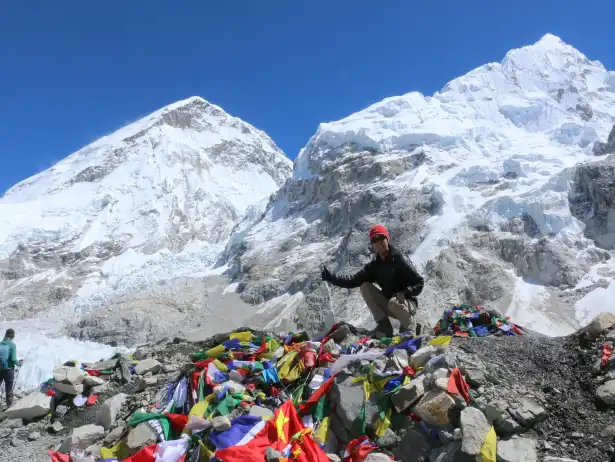
Every day, the Everest region offers layers of compelling composition: rich cultural mountain scenes in Namche Bazaar at 3,440 meters; Everest framed with a spiritual touch at Tengboche Monastery at 3,867 meters; and photographs with powerful, dramatic impact at Everest Base Camp at 5,364 meters.
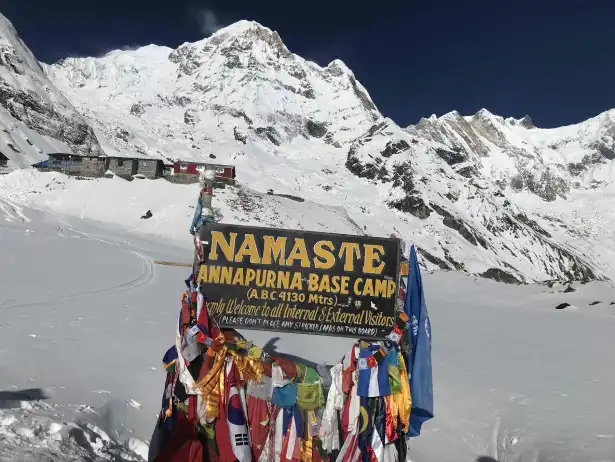
Likewise, accessibility and grandeur go hand in hand when it comes to Annapurna photography. Annapurna I reaches a height of 8,091 meters and anchors the imagery of the Himalayan landscape. Annapurna Base Camp, at an elevation of 4,130 meters, gives amphitheater-style views of the mountains. Because of this, photography tours of Annapurna are very attractive to both beginners and experienced photographers.
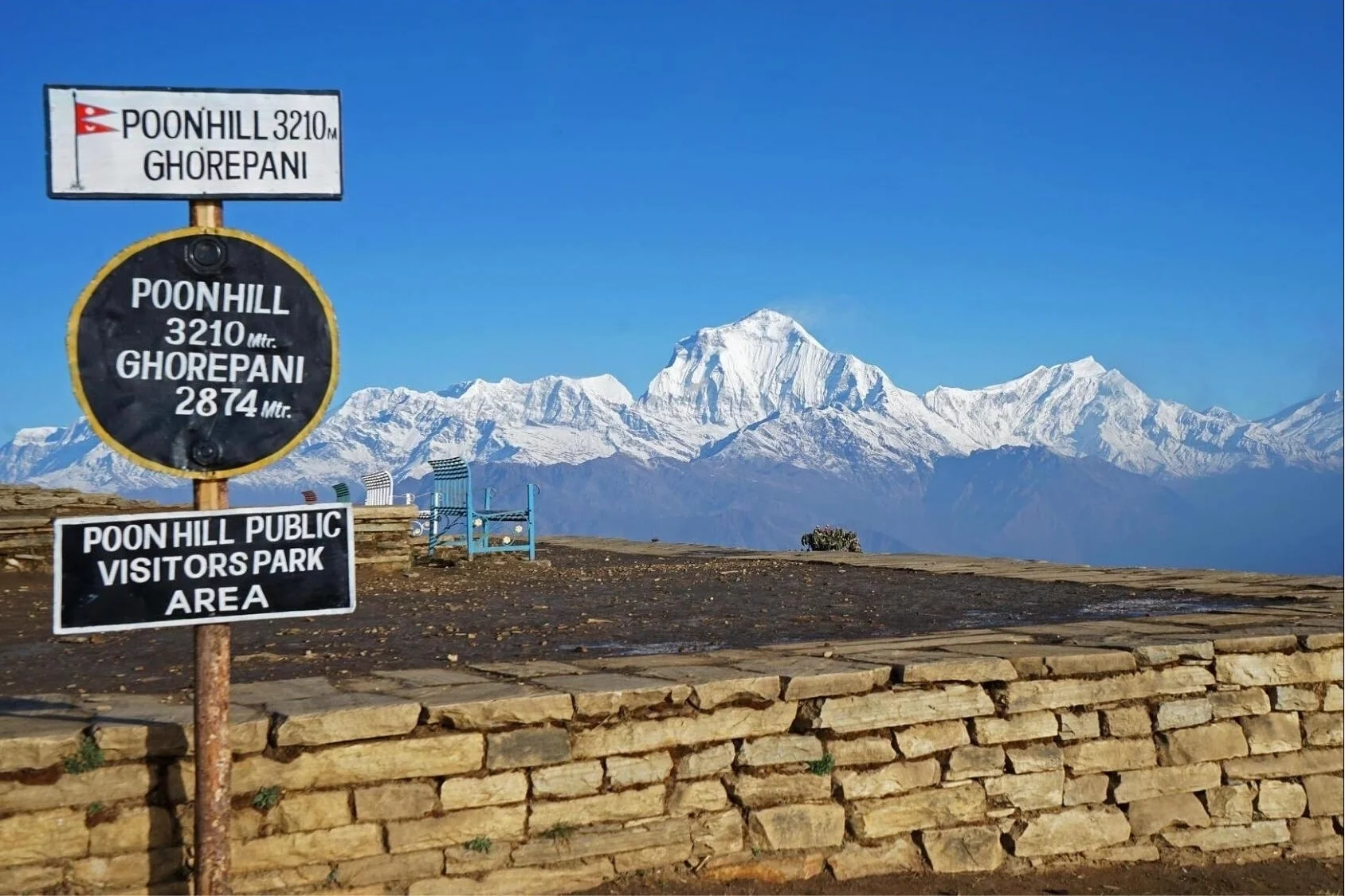
From the diverse range of subjects, the Annapurna region provides everything. Machapuchare rises to 6,993 meters, adding richness to sacred mountain photography, while Poon Hill, at 3,210 meters, offers ideal times for sunrise shots. Due to this, the photography of trekking in Annapurna remains versatile and deeply rewarding.
Moreover, Langtang photography is intimate and rather authentic. Langtang Lirung rises to 7,227 meters atop the 3,500 meters of Langtang Valley, while Kyanjin Gompa at 3,870 meters offers rich cultural photography. The result is mountain photography that feels raw and less crowded. In Himalayan photography, light is perhaps the main element. Early mornings find soft, alpine light; in the evening, shadows define texture within the mountains. In short, golden-hour photography in the Himalayas remains essential.
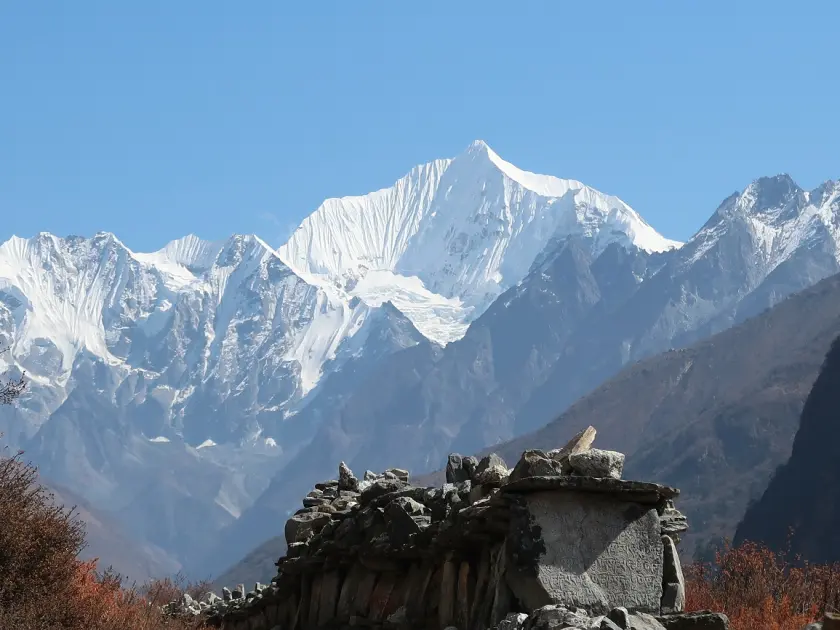
Here, the altitude will factor into the planning process of taking photos in the mountains. Cameras will be handled to adjust to the altitude in order to have steady hands and a steady eye. The batteries in devices will be managed to extend their lifespan since the low temperature will cause the batteries to drain fast. It will be wise to mention that professional photo shooting in the mountains involves prior preparations.More importantly, guided photo tours increase the chances of success. Prices for a tour in the Himalayan regions begin from around 90-180 dollars per day. They enable participants to reach places with iconography. That is why a tour package in Nepal is really worthwhile.
Finally, Himalayan mountain photography is the perfect blend of size, emotion, and adventure. When it comes to mountain photography, Nepal is different altogether, as every adventure ensures drastic portfolio addition. Indeed, Himalayan photography contributes to the visual identity of Nepal.
The Best Places for Sunrise and Sunset Photography in the Himalayas of Nepal
Discover and experience the best sunrise and sunset destinations along the Nepalese Himalayan range.
Here are the major points of sunrise and sunset, for quick comparison:
- Poon Hill, 3,210 m — Sunrise
- Kala Patthar, 5,545 m — Sunset
- Sarangkot, 1,600 m — Sunrise
- Gokyo Ri, 5,357 m — Sunrise
Actually, sunrise and sunset photography have aptly identified the visual magic of the Himalayas and fascinated landscape photographers from all over the world. The light here becomes clearer due to the height of Nepal, and the colors of dusk are even more breathtaking.
Here, Poon Hill (3,210m) is one of Nepal's best sites to witness the sunrise; the light of the dawn highlights the towering mass of Annapurna I (8,091m) as Dhaulagiri (8,167m) stands out in the clear sky.
Likewise, Kala Patthar (5,545 m) is famous for sunset photography of Everest and Mount Everest (8,848.86 m), basking in the golden sunset, along with Nuptse (7,861 m) as a background element. This is where sunset photography of Himalayas attains its pinnacle.
Similarly, Sarangkot (1,600m) has easily accessible sunrise points, where Machhapuchare (6,993m) shines in early light, and Annapurna South (7,219m) provides expansive vistas. So, Sarangkot’s sunrise point works well for all types.

Moreover, Gokyo Ri (5,357m) offers reflective dawn shots, with Gokyo Lakes (4,700-5,000m) reflecting the massive Cho Oyu (8,188m). High altitude lake photography adds perspective to the landscape photograph Langtang viewpoints are ideal for a quiet picture of the sunset. Kyanjin Ri (4,773 meters) is soaked in soft sunlight, and Langtang Lirung (7,227 meters) towers in the background, offering a peaceful Langtang sunset.
Additionally, weather timing brings nuance to how well you catch the light, and thus photographers keep a close eye on the clouds. Clear, steady autumn skies tend to deliver the best results, and that means Himalayan golden-hour photography asks for a dash of patience.
In fact, the cost of photography remains relatively reasonable across regions, usually ranging from USD 60 to 120 per day for sunrise tours. Photography packages remain reasonably priced in Nepal, due in part to the local guides' help with positioning and safety.Eventually, the photography of the sunrises and sunsets of the Himalayas in Nepal tells stories. It is during those moments of change and emotion that come with the shift of light that the visual identity of Nepal comes alive, hence making these light-filled windows an important part of every Himalayan journey.
Landscape Photography in Nepal: Valleys, Rivers, Lakes, and Terraced Fields
Experience the landscape photography of Nepal, with its lush valleys and winding rivers, tranquil lakes and terraced fields. Your Nepal landscape photography journey begins here.
Some key features in landscape photography in Nepal include:
- Valleys: Pokhara Valley, 822m, Kathmandu Valley, 1,400m.
- Lakes: Phewa Lake (742m), Rara Lake (2,990m).
- Rivers: Kali Gandaki River, Trishuli River.
 In Nepal, nature photography is a challenge because: Remarkable natural diversity is packed tightly into a short road or trail. Valleys, rivers, lakes, and rice paddies are all at your fingertips, and photographers are always tracking the constantly changing terrain and lighting conditions.
Likewise, valleys create interesting, well-structured compositions that have real depth. Consider Pokhara Valley, which sits at 822m, where lake reflections and mountain ranges interact, or Kathmandu Valley at 1,400m, where hills and cityscapes blend. Valleys provide broad angles that allow storytelling through imagery.
Likewise, rivers take fascinating courses through the land. There is activity-driven landscape art possible at a scale of around 300-600m at the Trishuli River, as well as one involving mountains, with Kali Gandaki River flowing between Annapurna I, at 8,091m, and Dhaulagiri, at 8,167m.
Similarly, lakes are also heightened for reflection photography opportunities. Phewa Lake at 742m reflects a near-horizon mirroring of Machapuchare (6,993m), while Nepal’s largest alpine lake, Rara Lake at 2,990m, has serene and vast landscapes perfectly for lake photography.
Moreover, terraced fields are the leitmotif in the rural Nepal landscape. In mid-hills around Bandipur, at 1,030m, there is a geometrical rhythm, whereas in rice fields at 1,650m, in the area around Dhampus, there’s a colorful monsoon rhythm. The photographing of terraced fields is now rhythmic, textural, Changes with seasons bring a huge makeover to landscapes. Monsoon brings a landscape full of green and a waterfall; Autumn brings a landscape with a clear sky and a crispy touch. In other words, landscapes in Nepal are always diverse throughout a calendar year.
In fact, ease of access enhances the way we prepare for landscape photography. Most places remain accessible by road, and short hikes present views from atop. Consequently, landscape photography tours suit all levels of difficulty.
Here, costs remain fairly low countrywide, too. Landscape photography tours go for about USD 50 to 120 per day. Local guides aid with timing and safety, and thus travel for photography in Nepal is rather affordable.
In summary, the landscapes of Nepal blend harmony and drama almost as a matter of course, so that photographers can shoot both serenity and scale. Each region provides unique textures, and landscape photography is therefore endlessly inspirational in Nepal.
Kathmandu Valley’s Cultural Photography: Living Heritage & Lifestyle
Examine cultural photography in the Kathmandu Valley. Document the living heritage of the culture, everyday scenes, festivals, temples, and street photography experiences.
Some of the major cultural photographic spots to consider include:
- Kathmandu (1,400 m): street life and heritage sites
- Patan (1,350m): Art and Temples
- Bhaktapur (1,400 m): Life in the Middle
Meanwhile, cultural Photography at the Kathmandu Valley is a showcasing of Nepal’s intangible heritage at its best. It involves ritual, architecture, and activity, with some of the traditions from the past still intact today. It makes for very authentic-looking photos.
Here, with its altitude of 1,400m, the city of Kathmandu has endless opportunities for street photography with Kathmandu Day Tour. Ason Bazaar, at 1,300m, allows the viewer to observe the commercial activities of the city through pictures. The Durbar Square of the city freezes the structure of the era in each picture, making the street photography predominantly pictorial.

Likewise, Patan, at 1,350m, tends more to artistic cultural photography. Newari artistry is showcased at Patan Durbar Square, while metal and woodcarving detail enhances the pictures. Cultural photography of this type has a refined, textured feel.
In Bhaktapur, which also sits at an elevation of approximately 1,400m, a medieval cultural environment has been maintained, and as such, it serves as an eternal stage of culture in photographs in Durbar Square. Pottery squares provide a close experience of life and create a rich historical background for photography.
Further, religious aspects are a major contributory factor that gives a strong core to Kathmandu Valley photography. In Kathmandu, religious aspects are experienced with a strong and emotional presence. There are many religious aspects available for documentary and cultural photography. In Kathmandu, religious aspects are experienced with a strong and emotional presence. The religious aspect found in Kathmandu is experienced Festivals accentuate the effect of cultural photographs. Indra Jatra overflows the roads with processional imagery, whereas BisketJatra changes the face of Bhaktapur. Festival photographs in the Kathmandu Valley remain eclectic.
So, respect for people and time is the most important factor for good cultural photography. Photographers keep to good conduct, and local experts make ways for access. When all keep to good conduct, trust is built for photography in Nepal.
Therefore, photography tours also increase accessibility in culture exploration. Cultural and photography tours are done on a daily basis. Their prices are between USD 40 and 100 per day. Cultural and photography tours also enable you to capture adequate lighting and time-dependent events.
In the end, the Kathmandu Valley promotes culture by preserving it through living culture. Photographers can document not just monuments, as there is sufficient cultural activity to inject meaning into photos. Cultural photo shoots in Kathmandu Valley remain ever-refreshing.
UNESCO World Heritage Sites: Historical and Architectural Photography
Examine the UNESCO sites of Nepal through the perspective of history and architecture, highlighting the temples, palaces, and the skills that connect the two.
 Some of the most important UNESCO World Heritage sites with a photography focus are:
- Kathmandu Durbar Square (1,400m) – Palace and temple architecture.
- Patan Durbar Square (1,350m) – Sculptures and courtyards.
- Bhaktapur Durbar Square (1,400m) – Medieval buildings and Nyatapola Temple.
- Swayambhunath Stupa (1,600m) – Stupa structure and cityscape.
- Boudhanath Stupa (1,350m) – Religious architecture.
Actually, there are photographers from all over the world that go to Nepal for the UNESCO sites, as they love architecture. A vision of medieval royal palaces, timeless temples, and the intricate dance of carvings is a treat. History-based photographic tours explore all the craftsmanship that has been woven together. Consequently, architectural photography is never-dull photography.
Here, Durbar Square in Kathmandu (1,400m) is a living museum of royal architecture. This is where shutterbugs await opportunities to click pictures of Hanuman Dhoka Palace and Taleju Temple, which flaunts wood carvings that beckon close-ups. Durbar Square presents a contrasting melody of majesty and minutiae that makes for an interesting picture narrative.
Likewise, Patan Durbar Square (1,350m) displays artistic aspiration. The Krishna Mandir and Hiranya Varna Mahavihar temples invite the click of the camera in search of tales of historical and cultural significance. The courtyards and statues in the newar style of Patan make the historical photograph very meaningful.
Moreover, Bhaktapur Durbar Square (1,400m) maintains a rich medieval atmosphere. Perspectives from Nyatapola Temple and Dattatreya Square are thrilling, and there is no lack of options for innovative photographic compositions owing to the Bhaktapur palace architecture. In other words, architecture in Bhaktapur is definitely one feature that makes traveling and photographing in Nepal worthwhile.

Further, Swayambhunath Stupa, which stands at an elevation of 1,600 meters, offers bounties for photographers of religious architecture. Naturally, photographers do not miss clicking pictures of the Swayambhunath Stupa shape, rotating prayer wheels, and a panoramic view of the city. Boudhanath Stupa, which is 1,350 meters high, adds to this coverage of religious architecture.
Similarly, Lighting is evident in the enhancement of architectural features. Texture is highlighted during morning and late afternoons, while the golden hour is responsible for the warm lighting effects on heritage wall features. Light windows should, therefore, be considered during the actual photography sessions.
Importantly, UNESCO site guided tours also improve the efficiency of photography. The typical guided photography day will cost between USD 40-100, and a guide will help with local transportation and composition. Thus, the price of the heritage photography packages remains efficient.
Ultimately, the UNESCO Heritage Sites in Nepal present endless photo shoots in Nepal. History and culture are intertwined in such a seamless manner to ensure the photographer can capture the history behind the structures. Heritage photo shoots in Nepal present an essential aspect of photography.
Religious Photography in Nepal: Hindu Temples, Buddhist Monasteries, & Rituals
Understand the religious or spiritual photographs from Nepal—showing Hindu temples, Buddhist monasteries, religious events, religious festivities, the real religious life in Nepal through photographs.
The important religious photography locations to know about are:
- Pashupatinath Temple (1,400m) – Hindu rituals and cremation ceremonies.
- Boudhanath Stupa (1,350m) – Buddhist stupa and monastery photography.
- Kopan Monastery (1,400m) – Monks and meditation scenes.
- Changu Narayan Temple (1,200m) – Heritage temple photography.
- Festivals: Indra Jatra, Losar – Rituals and cultural photography.
Mainly, Religious photography in Nepal presents Hindu and Buddhist culture through colorful storytelling. The photographers make every attempt to capture temples and monasteries, festivals and rituals in order to paint a bigger picture. The outcome of this picture-painting project leads visitors through an immersive and authentic experience.
Similarly, Hindu temples are especially great for photography. In Pashupatinath Temple (1,400m), one sees holy architecture, religious processes, and cremations. Changu Narayan Temple (1,200m) helps to adopt a heritage-oriented approach when documenting religion through photography. By using these sites, photographers are able to record religion, culture, and heritage simultaneously.
 Likewise, Buddhist monasteries are conducive to serene, contemplative photography. There is a chance to take grand, sweeping photos of the stupa from the Boudhanath Stupa (1,350m), as well as opportunities for photos of monks, ceremonies, and meditation from the Kopan Monastery (1,400m). In Nepal, Buddhist monasteries make for photography that is tranquil and significant.
Moreover, religious festivals also spur the telling of these stories. Indra Jatra in Kathmandu, at 1,400m, includes chariot procession performances as well as mask dances, and the Losar festivities in Bhaktapur, at 1,400m, highlight indigenous rituals. Religious picture stories in Daily worship also offers genuine opportunities. Photographing believers as they turn prayer wheels, light butter lamps, or engage in worship offers depth to the image. Through observation and appropriate behavior, photography in worship is ethical. In this manner, the religious imagery in Nepal remains true to its own integrity.
Here, timing is an essential factor in spiritual or religious photography. Either early in the morning or towards the end of the afternoon is the best time for the textures of the temple as well as the ambiance of the rituals to be captured effectively through photographs, whereas the weather may blur the background or clarify it.
At the same time, organized religious photography tours also provide easy access. The usual daily Charges for these tours amount to USD 40-90. This not only increases the knowledge base but also improves the photographs.
In conclusion, the combination of the spiritual, architectural, and cultural in religious photography can be found in Nepal. There is so much to photograph in this country, where every temple, monastery, or festival is a story in its own right. This makes Nepal the ideal destination for religious immersion photography.
Festival Photography in Nepal: Colors, Emotions, and Traditions
Capture with your camera the vibrant festivals of Nepal, rejoicing over colors, emotions, and rituals in different parts of the country.
Key festival Photography aspects in Nepal are:
- Holi: Kathmandu (1,400m), Pokhara (822m) – Color and crowd photography.
- Dashain: Durbar Squares and local temples – Rituals and family portraits.
- Tihar: Bhaktapur (1,400m), Patan (1,350m) – Lamp lighting and animal rituals.
- Mani Rimdu: Solu-Khumbu (3,800m) – Masked dances and ceremonies.
- Chhath Puja: Terai rivers (60–300m) – Water reflections and ritual photography.
Meanwhile, bright colors, pure joy, and ages-old traditions come alive in the festival photography of Nepal. Holi, Dashain, and Tihar are inherently captured in high details by photographers. Festival photography tours bring rituals, dances, and ceremonial moments into sharp focus, inviting photographers to tell cultural stories through light and motion.
Similarly, Holi photography fills Nepal's spirited color play with bursts. At about 1,400m in Kathmandu and around 822m in Pokhara, streets fill with flowing powders. Candid crowd shots and portrait moments capture genuine happiness; the pictures are all about movement, spontaneity, and emotional intensity.
Moreover, Photography during Dashain focuses mostly on religious traditions. Temples, houses, and Durbar Squares become hot spots for ritual photos. Tika blessings, sacrifices of goats, and solidarity of extended families all provide a balance between strictly ritual shots and intimate portraits by showing how devotion and everyday life mix.
Likewise, Tihar, on the whole, is a place of gleaming night-time opportunities. Bhaktapur at about 1,400m and Patan at about 1,350m shimmer with oil lamps, softly reflected in warm light. The symbolic addition of worshiping animals-most notably crows and cows-makes the photography weave together light, tradition, and storytelling. Regional festivals enhance the palette even further.
Further, Mani Rimdu in the Solu-Khumbu-at roughly 3,800m-blends Buddhist rites with masked dances, while Chhath Puja along Terai rivers (0-300m) offers serene water reflections. Together, these regional celebrations deepen Nepal's visual diversity and cultural texture.
Equally, Photography at a music festival is more about taking clicks than composing and perfect timing. The trick is in the golden hour, where the lighting is ideally from the front and above, illuminating everything clearly. Most music festival tours also include guide services for photographers who want to get the best locations and understanding in no time.
In summary, participant respect is an imperative during the festival photography in Nepal. Because of ethical behavior and the necessary permissions, there are natural and relaxed interactions. Organized tours also help to increase safety during a densely packed festival. The aforementioned factors help professional festival work in Nepal to remain respectful and exciting.
Ultimately, festival photography in Nepal is about color and humanity. Every festival is a living picture itself, an opportunity for real cultural interaction. For cultural photographers and travel photographers, the festival photography of Nepal is a must-see destination.
People and Portrait Photography: Faces of Nepal’s Diverse Ethnic Communities
See Nepal through portraits showcasing the country's diverse communities, their traditional attires, and glimpses of everyday life, all merged together with the real expressions of its people.
Some of the main communities that have traditionally been depicted in Nepal portrait paintings are as follows:
- Gurung and Magar: Ghandruk (1,940m), Bandipur (1,030m) – Village and traditional attire.
- Sherpa and Tamang: Namche Bazaar (3,440m), Lukla (2,860m) – Himalayan lifestyle and monastic scenes.
- Newar: Bhaktapur (1,400m), Patan (1,350m) – Urban festivals and craftwork.
- Tharu and Maithili: Chitwan (415m), Janakpur (74m) – Terai traditions and rituals.
First, the people and portrait work of Nepal vividly documents cultural diversity. Cameras turn to ethnic groups, their clothes, and the most ordinary moments of everyday life. Portrait photography tours offer both staged and spontaneous opportunities; the stories can come into the forefront, being full of human emotions.
Second, the Gurung and Magar communities are peerless portrait subjects. In Ghandruk 1,940 m and Bandipur 1,030 m, one finds specific examples of traditional dress and village life, forming a backdrop to naturally taken pictures. Everyday chores, festivals, and locally practiced craftsmanship add dimensions to portraits-an instant record of living culture in a single frame.
Meanwhile, portraits of the Sherpa and Tamang communities unfold life from the Himalayas. Namche Bazaar at 3,440 meters and Lukla at 2,860 meters present ideal high-altitude ethnic settings. Picture families of mountaineers and visits to monasteries to enrich the storytelling of photography of the Himalayan community-both intimate and adventurous.
Here, the Newar communities of Kathmandu Valley are excellent in urban portrait opportunities. Bhaktapur 1,400 m and Patan 1,350 m have subjects attached to festivals, crafts, and temple life. Street scenes and market portraits merge everyday life with heritage, thus finding a balance between cultural authenticity and urban aesthetics. The ethnic groups from Terai expand the vision of the view: the Tharu and Maithili people, respectively by the rivers flowing through Chitwan and Janakpur, add color by dressing and rituals, while candid portraits show the depth of emotion and ways of life in the area, a contrast to pictures that may have been envisioned as Himalayan and valley images.
In fact, Natural light and ethical engagement are responsible for effective portrait photography. In this case, morning and evening lighting creates warmer tones for skin and integrates them with natural surroundings. Portraits captured with a request and respect portrayed genuine looks. In this way, portrait tours in Nepal are characterized by integrity and pictorial excellence.
More importantly, Guided tours for portraits make the access to the subject smooth as well. Usually, the average cost is between USD 50 to 120 levels according to the region being visited. Information from the guides is useful regarding history and culture; therefore, the composition as well as content is improved.
In the end, people and portrait photography in Nepal are all about emotion, heritage, and cultural identity. Every village has something to offer that is unique to it, and portraits are a visual representation of that. This makes and keeps Nepal a top destination for genuine human photography.
Photography of rural life: Villages, agriculture, rural culture
Photograph the rural areas in Nepal to document the experience of life in a village and the activities associated with farming and agriculture in the region.
Popular Portrait and People Photography in Nepal:
- Bandipur (1,030m): mid-slope terraces and rural architecture.
- Dhampus (1,650m): farming cycles and living culture.
- Ghorepani (2,850m) and Ghandruk (1,940m).
- Chitwan Terai (415m): Tharu villages and plains farming.
Meanwhile, Nepal countryside photography involves engaging with the authentic lifestyle of the villagers, agriculture, and traditional practices. Photographers try to capture the mundane tasks, livestock, as well as the feel of the lifestyle. Contrary to most travel adventures, countryside photography tours allow one to closely interact with the Nepalese countryside.
0.81855800%201738673284.webp)
Actually, Midhill villages are also very suitable for agricultural imagery. Bands are a good example of a midhill village (1,030m) or Dhampus (1,650m) when it comes to agricultural pictures of terraced ricefields. Planting and harvesting seasons are additional dynamic elements of a narrative when it comes to agriculture and lifestyle.
Here, remotely located Himachal villages in the Himalayas also serve as locations for high-altitude culture-related photography opportunities. However, Ghorepani at 2,850 meters and Ghandruk village at 1,940 meters introduce photography targets of local architecture, yak rearing, and native attire, besides rituals and celebrations of the local people.
Lastly, water resource management and irrigation adds to the rural landscape. Rain-fed, pond, and river-based farming integrates this landscape, while farmers working in a terraced landscape generates a rhythmic effect that improves composition. Generally, farming ingenuity in Nepal emerges through rural photography.
In fact, this is because the changes in seasons always bring diversity to Rural Life photographs. There would be shades of lush green during monsoons, whereas the fields would be covered in gold during the winters. Rural festivals would also incorporate agricultural activities, thereby offering exciting opportunities for photographs.
Importantly, ethical engagement is important in genuine interactions in the villages. Pictures must be taken in respect of privacy and cultural matters. Conducted tours provide cultural insights and access to private residential areas, which helps ensure rural photo tour activities in Nepal remain respectful yet genuine.
Ultimately, rural life photography in Nepal integrates people, work, and landscape. Photographers take pictures of lifestyle, work, and heritage at the same time, and every village has a unique narrative to provide. Nepal’s villages will always be invaluable to a true cultural photo gallery.
Wildlife Photography in Nepal: An Overview to National Parks and Conservation Areas
Take part in capturing the essence of Nepal's tigers, elephants, rhinos, birds, and rare Himalayan creatures through wildlife photography within the national parks and reserves.
Important areas to remember for Wildlife Photography in Nepal :
- Chitwan National Park (415m) – Tigers, rhinos, birds.
- Bardia National Park (152m) – Elephants, wild boars, river wildlife.
- Sagarmatha National Park (2,845m) – Snow leopards, Himalayan tahr, birds.
- Koshi Tappu Wildlife Reserve (75m) – Migratory birds and wetlands.
First and foremost, Nepal's wildlife photography spots involve rich species found throughout its national parks and conservation sites. Photographers look for chances to document tigers, elephants, rhinos, and various birds. In practical times, the tours put together everything: safari moments, landscape views, and action shots, drawing together professional and adventure photographers.
Second, at an elevation of about 415m, Chitwan National Park is the next iconic shoot. The Bengal tiger, single-horned rhinoceros, and swamp deer are some of its subjects one can click pictures of, while the kingfisher and storks attract avid bird lovers. This results in a combination of species diversity with the rich vegetation of jungles that defines the appeal of Chitwan.
Likewise, further west to Bardia National Park, at about 152m, it is a bit more remote and less crowded. Visitors may come across tigers, elephants, and wild boars in their respective natural habitats, with the river shoots along the Babai River adding depth to compositions. This promises high-quality, immersive imagery of wildlife in Bardia.
Next, there is Sagarmatha National Park, which sits atop Namche Bazaar at an elevation of about 2,845m, where photography of the Himalayan wildlife flourishes. It's all about capturing snow leopards, Himalayan tahr, and red pandas, with supporting cast members including alpine birds like the Himalayan monal. High-altitude photography in this park merges rare species with dramatic mountain backdrops.
Similarly, Koshi Tappu Wildlife Reserve-some 75 meters-focuses on wetlands and migratory birds. Seasonal apparitions include the sarus cranes, storks, and kingfishers; the riverine landscapes enrich the bird photography. In short, Nepal’s lowland conservation areas present an eclectic canvas for ecological imagery.
In fact, wildlife photography is not something one embarks upon casually. Planning and patience are essential. The ideal lighting conditions are early in the morning or late in the afternoon, which makes it possible to identify and photograph the animals. Organized safaris maintain proper standards regarding safety as well as conduct, which is why safaris in Nepal are well balanced regarding access to safety as well as photo quality.
Here, prices differ depending on the park and type of services, and a typical day for a wildlife photography safari will cost around 90-200 US dollars. Multi-day safaris will increase your outcome chances with a fantastic picture. In any case, Nepal will allow you to keep wildlife photography affordable with good professional backing.
Thus, in the long run, the Nepal wildlife photography scene encompasses adventure, nature, and conservation. Since the regions encompass diverse species, natural environments, and natural behaviors, the countries offer the most favorable settings for wildlife photography in the international platform.
Nature and Macro Photography: Flora, Fauna, and Seasonal Details
Explore nature and macro photography in Nepal through the lens of plants, animals, insects, and seasons in forests, gardens, and nature conservation sites.
Macro and nature photography hotspots to remember in Nepal:
- Shivapuri National Park (2,530m) – Flowers, ferns, insects.
- Chandragiri Hills (2,500m) – Alpine flora and butterflies.
- Ghorepani (2,850m), Annapurna Base Camp (4,130m) – Alpine flowers and fauna.
- Koshi Tappu Wildlife Reserve (75m) – Aquatic plants, insects, birds.
- Bandipur (1,030m), Dhampus (1,650m) – Terraced fields and seasonal pollinators.
In Nepal, nature and macro photography concentrates on the realms that exist at a microscopic level and often pass us by—veining on leaves, the texture of flower petals, and the tiny creatures that occupy the same environment as us. The nature of the photography involves capturing close shots of plants, micro-wildlife, and the effects of light in these areas.
Actually, Midhill regions have excellent subjects suitable for close-up shots. Areas such as Shivapuri National Park (2,530 m) and the Chandragiri Hills (2,500 m) offer richly varied flora with colors of fascinating insects. Blossoms of seasonal flora, ferns, and moss will offer interesting textures to the photographer to combine with the natural diversity.
Here, the high altitude alpine region has its own type of photography magic. The Ghorepani (2,850 m) and Annapurna Base Camp (4,130 m) treks introduce one to unique alpine flowers and lichens found in the region, in addition to its endemic species of pikas, butterflies, and birds of preeminence in taking macros of wildlife. The end result of all this is photography that seems bright and very fresh looking and unblemished by time.
Likewise, wetlands and rivers add more depth to macro photographs of water. Koshi Tappu Wildlife Reserve (75 m) and Phewa Lake (742 m) are used for shoots involving aquatic plants, insects, and birds. The macro photographs of water in Nepal are a combination of close detail and a narrative. Rural agricultural lands provide macro opportunities in season as well. Rice paddies with agricultural teracing found in Bandipur (1,030 m) and Dhampus (1,650 m) display plants, flowers, and insects. Farming season insects provide an interesting element of nature to agricultural macro photography.
Moreover, Nepal's diverse environment provides ample scope for macrophotography throughout the year. Spring is the time for the rhododendron flowers; monsoons display wet textures; autumn showcases leaf patterns; and insects abound during the same season.
Likewise, light and lenses also make a point. Natural lighting with close-up lenses helps to highlight the finest details, whereas tripods or diffusers can add depth. Following these basic principles, experienced nature or macro photography packages in Nepal would help you derive the maximum benefits.
Ultimately, Nepal integrates artistry with the storytelling of nature in a form of nature and macro photography. Photographers can take advantage of the texture, color, and life patterns that exist in the environment, with every season providing a new story to tell.
Street Photography in Nepal: Markets, Alleys, and Landscapes
Document the street life of Nepal through photographs such as markets, streets, celebrations, and candid shots.
Key street photography hubs to note in Nepal include:
- Kathmandu: 1,400m, Asan Bazaar, Indra Chowk, and seasonal festivals.
- Patan (1,350m): Swayambhunath, courtyards, artisans, cultural streets.
- Bhaktapur (1400m): Narrow alleys, pottery scenes, and festival life.
- Pokhara (822m): Lakeside living, markets, and a mountain backdrop.
- Janakpur (74m): Terai street life and ethnic diversity.
Mainly, street photography in Nepal is focused on candid imagery, the metropolitan lifestyle, and colorful scenes. The photographing of markets, serpentine alleys, and people in Nepal involves various tours and storytelling sessions, resulting in a realistic portrayal of city life in Nepal.
Here, a bustling metropolis such as Kathmandu, with an altitude of approximately 1,400m, has plenty of street action to photograph. Asan Bazaar, with a height of approximately 1,300m, as well as Indra Chowk, offers plenty of action, color, and interest. Street venues, artisans, food stalls, and festivals add to a well-composed photograph.
Likewise, Patan (1,350m), with its historic streets, and Bhaktapur (1,400m), with its traditional alleys and local craftspeople, provide the atmospheric setting for the genre. Festivals such as Indra Jatra add the element of animation. Pokhara (822m) and the Lakeside introduce lakefront street photography for the first time. Cafes and local shops, riverside walks, lifestyle portraiture, and the presence of mountains such as Machapuchare (6,993m) ensure Pokhara's street photography is a mix of people and stunning scenery.
In Terai towns like Janakpur, street life is a riot of ethnic diversity. The Tharu and Maithili communities translate photogenically into clothes, customs, and daily activity that visually bursts at every corner. Festivals and rituals add motion and narrative depth, creating a very different Terai compared to photos from the Himalayan regions and valley cities.
In fact, timing, composition, and cultural mindfulness are also crucial in street photography here. Optimal light is found early in the morning and late in the afternoon. Consent and respect lead to relaxed, authentic interactions. Guided street photography tours could help widen access and ethical engagement with the practice.
Ultimately, Nepal offers truly vibrant, authentic, human-centered storytelling with street photography. Every alley, every market, every moment during festivals has some visual interest, and photographers can immerse themselves in culture in a most direct way. That’s why Nepal remains a top destination for truly immersive street photography.
Best Time for Photography in Nepal: Seasons, Weather, and Light Conditions
Understand when to shoot in Nepal regarding seasons, weather patterns, and light for landscapes, wildlife, and culture.
Here’s a quick guide to the best seasons by type of photography in Nepal:
| Photography Type | Best Season | Key Locations |
| Mountain & Landscape | Autumn, Spring | Everest (8,848.86m), Annapurna (8,091m), Poon Hill (3,210m) |
| Wildlife | Autumn, Winter | Chitwan (415m), Bardia (152m), Koshi Tappu (75m) |
| Flora & Macro | Spring, Monsoon | Ghorepani (2,850m), Dhampus (1,650m), Shivapuri (2,530m) |
| Cultural & Festivals | Autumn, Spring | Kathmandu (1,400m), Bhaktapur (1,400m), Patan (1,350m) |
Meanwhile, basic photography in Nepal would include deciding on the season, weather, and light. Photographers make plans for trips when skies are clear, haze is minimal, and temperatures are comfortable. The time of year will even dictate what you are able to shoot: landscapes, mountains, and wildlife. Timing is everything when it comes to overall quality and experience.
In fact, Autumn, lasting from September to November, is the favorite of the lot when it comes to photography. Sharp and crisp mountain views shine in the Everest (8,848.86 m), Annapurna (8,091 m), and Langtang (7,227 m) regions. Furthermore, this is also a good time to capture images of wild animals in Chitwan National Park (415m) and Bardia National Park (152m). Autumn brings clear light, stable weather, and festive activity all together.

Likewise, Spring-March to May-offers brilliant floral and nature opportunities. It is also the time when rhododendrons burst into bloom at Ghorepani (2,850 m), Dhampus (1,650 m), and Shivapuri (2,530 m), while migratory birds and alpine fauna boost macro and wildlife shots. It's a balance of mountain clarity and rich biodiversity.
Further, Winter: crisp skies during the months of December through February; this is usually a great time for standout sunrise and sunset moments. Golden-hour mountain photography in Poon Hill (3,210 m) and Sarangkot (1,600 meters) makes the cold temperatures' reduction of haze allow better visibility. Winter works for high-contrast landscapes.
Additionally, Monsoon: It's the most favorable time of the year for cultural and rural life photography. Terracing rice fields in Bandipur, at 1,030 meters above sea level, and Dhampus at 1,650 meters shine with rich greens. Rivers and waterfalls around Pokhara at 822 meters above sea level add dynamism to landscapes. Monsoon brings vibrant color into your frame, even on rainy days.
More specifically, a major factor affecting picture quality is natural light. In early morning, natural light softens mountain pictures. In late afternoons, natural light creates a golden hour that enhances city and mountain pictures. Working under natural lighting is therefore common among photographers in countries like Nepal. They time their shoots depending on natural lighting sources and directions.
In a nutshell, height and geographic location further contribute to the timing of photo shoots. Everest Base Camp (at 5,364 m) is quite challenging, given the lack of acclimation to the height and the uncertain weather conditions. Low-lying regions like Koshi Tappu (at 75 m) provide ample time to click wildlife photographs almost throughout the year.
In summary, understanding seasons, weather, and lighting results in more lucid and colorful and well-composed photographs. Moreover, timing plays an essential role in capturing festivals, wild animal encounters, and nature photography. Nepal remains a year-round photography location with many advantages during each season.
Photography During Treks: Practical Tips for Mountain Trails
Suggestions for photography during Nepalese treks, equipment, illumination, altitude, and tips for picture-taking of mountains, rivers, and villages.
These are the basic tips for clarity:
- Gear: Lightweight camera, wide-angle & telephoto lenses, tripod.
- Timing: Early morning and late afternoon for golden hour.
- Composition: Leading lines, foreground objects, layered mountains.
- Locations: Everest Base Camp (5,364m), Annapurna Base Camp (4,130m), Ghorepani (2,850m), Langtang Valley (3,500m).
- Safety: Battery protection, weather-proof bags, guided routes.
First, taking photos during treks in Nepal involves some preparation, light equipment, and the effects of altitude. Photographic enthusiasts have to weigh the Backpack load against the necessity of camera gear. Trekking photography holidays include natural, animal, as well as people-related shots, which means photos are generated after exploitation of a variety of settings. Second, the choice of the right lens is very important. Wide-angle lenses are wonderful for capturing the massive mountains such as Everest (8,848.86 m), Annapurna (8,091 m), and so on. Telephoto lenses are excellent for the wild and the distant terrain. The trekking photography kit should have a variety of focal lengths and not be too heavy.
Third, lighting and the time of day further contribute to the composition of the image. The first part of the morning and the latter part of the afternoon are the best times for capturing the ‘golden hour.’ The mountains and valleys are bathed in the warm glow of the golden hour. Shadows on mountains such as Langtang Lirung (7,227 m) and Machapuchare (6,993 m) further add to the composition of the image.
Similarly, “Altitude and weather conditions affect safety as well as the use of the cameras,” one of the professional photographers says. “Freezing temperatures drain the battery’s power,” he explains. “Snow or rain necessitate the use of protective clothing or equipment,” he says. “Acclimatization is the best safeguard against different conditions,” he says. Lastly, quality composition helps to improve trekking photographs. Consider the foreground composition using rivers, villages, or prayer flags to show the size of the subjects. You should make use of the leading line to focus the view on the composition of the trail or the terrace.
Further, documenting moments of culture and rural lifestyle adds depth to the story you're conveying. Hence, taking pictures of scenarios in Ghandruk (1,940m) or Bandipur (1,030m) adds to the human element of the trek experience. Land farming, festivals, and markets operating on a daily basis coexist with the majestic landscape of the mountains.
In summary, "Safety and mobility" continue to rank at the very top while doing the photography during Nepal Treks. The importance of flexible and light equipment cannot be overstated: this includes light tripods, strap systems, and camera bags for preventing slips and falls. Organized trek and photo excursions can also help with better planning and easier access to photo opportunities. All in all, photo trekking in Nepal is both secure and effective.
Ultimately, trekking photography in Nepal combines adventure and storytelling in photography. Photographers are best able to capture mountains, valleys, rivers, and even villages. Once they prepare adequately, they will be able to get quality photos.
Responsible and Ethical Photography in Nepal: Respecting Culture and Privacy
Responsible travel photography: learn about how you can take ethical photos while showing respect for Nepal's culture, traditions, privacy, and the natural environment.
Principles of ethical photography are:
- Seek consent before photographing people, villages, and rituals.
- Follow temple and festival rules (Pashupatinath Temple 1,400m, Boudhanath Stupa 1,350m).
- Maintain safe distances from wildlife (Chitwan 415m, Sagarmatha 2,845m).
- Respect local customs in villages (Ghandruk 1,940m, Bandipur 1,030m).
First, responsible photography in Nepal starts with respect for culture, traditions, and privacy. Photographers should seek permission before taking pictures of people, festivals, and religious ceremonies. Being ethical in photography also means staying authentic while avoiding disruption and building the credibility to document Nepalese life.
Second, religious sites call for careful ethical consideration. The capturing of moments at the Pashupatinath Temple (1,400m) or Boudhanath Stupa (1,350m) means following rules in the temples. Avoiding flash interior Stopping flash in sacred interiors protects both artworks and rituals, ensuring photography that is mindful and sustainable.
Here, the festivals like Dashain or Holi require consent and awareness. Photographers should capture the movement, color, and emotion without getting in the way. With good knowledge about the context of the festival, the composition and storytelling get enhanced; hence, cultural documentary photography in Nepal can be authentic and ethical as well.
Moreover, rural and highland communities demand privacy and respect. Places such as Ghorepani, Ghandruk, or Bandipur call for respectful interaction with the local people on the part of photographers. Respecting customs and refraining from intrusive shots result in better relationships with the communities concerned by providing a proper balance between documentation and regard.
Similarly, wild life and environmental photography involves practices that are conservation-oriented. Photographing Bengal tigers in Chitwan at 415 meters above sea level or snow leopards in Sagarmatha National Park at 2,845 meters above sea level near Namche Bazaar requires distance and no disturbance. Following the rules of parks consequently protects the wildlife and the photographer, making responsible photography go hand in glove with environmental stewardship.
Let’s see, What constitutes ethical photography? It isn’t simply a matter of taking photographs. It’s a matter of integrity when it comes to the way photographs are composed and utilized. This means there is no setting a scene or misrepresenting what happened. This can be incorporated into photography tours in countries such as Nepal.
Mainly, a photographer with a clear set of responsibilities with the camera also works to the advantage of all parties. Ethical behavior among photographers improves trust and availability. Privacy and culture preservation can add depth to the composition and meaning of a photograph. Nepal photo tours therefore benefit both the photographer and the community they visit.
Concluding, responsible and ethical photographic practices allow for effective visual storytelling. These enable photographers to depict the culture, nature, and practices of Nepal in a respectful fashion. Furthermore, sustainable practices ensure these avenues remain open for the long-term future.
A List of the Essential Camera Equipment for Shooting in the Varied Terrain
A guide on what camera equipment must be taken along for treks at high altitudes, wildlife excursions, and shoots on city streets.
The essentials of camera equipment in Nepal are listed clearly below:
- Cameras: DSLR or mirrorless and weather-resistant.
- Lenses: Wide angle, Telephoto, Prime, macro.
- Accessories: Tripod/monopod, filters, additional batteries or memory cards, rain covers.
- Bags: Padded camera backpack, weather-proof covers.
Mainly, where in Nepal you go picture-wise affects what gear you carry. For trekking, wildlife, and city photography, each type of shoot requires gear with adaptation in mind. Gear should be kept versatile and light for maximum mobility when trekking through mountains and cities.
Here, with mountain photography at higher elevations, it is important that you have the availability of both wide and tele-focus options. Here, mountains such as Mt. Everest (8,848.86 m), Annapurna (8,091 m), and observation points such as Poon Hill (3,210 m) us the wideness in photography, and tele-focus photographs distant mountains, animals, and crowds in the case of festivals.
Likewise, for wildlife or macro photography, one needs specialized equipment. Telephoto or macro lenses, combined with the use of tripods, can provide the detail required. Specialized accessories such as monopods or lens hoods will prevent blurring or reflections, giving the image professionalism even when shot in Chitwan National Park (415 m) or Koshi Tappu Wildlife Reserve (75 m).
Moreover, urban and street photography require lighter and faster lenses. Cities such as Streets of Kathmandu (1,400 m), Bhaktapur (1,400 m), and Pokhara (822 m) are ideal for street photography where one can easily take photos while on foot. Street photography can be captured through faster prime lenses. And don’t forget the extras, such as filters, batteries, memory cards, and protective equipment. Neutral-density filters, for example, ensure that your photos don’t suffer, and rain covers mean you never have to stop shooting when it starts raining. This is especially important when you’re on a long hike, as extra batteries and memory cards mean you never miss a shot.
Importantly, backpack organization and carrying systems: It’s more than carrying equipment—these systems increase your level of comfort and organization in the wilderness. Therefore, a camera backpack with a tripod holder will be the best choice for trekking from Ghorepani at 2,850m to Annapurna Base Camp at 4,130m, and to Everest Base Camp at 5,364m. Resistant bags will also be useful, as backpack equipment will be shielded from the monsoons, winter, and snow. You will be highly portable, secure, and prepared in any environment.
In fact, “Drones and aerial cameras bring a new dimension to your photography.” Indeed, aerial photos of Phewa Lake (742m) or Pokhara Valley will add new perspectives. Furthermore, following drone regulations in the region will be essential for safety and security reasons. Taken together, aerial photography equipment will add a new dimension to “shooting” on the ground.
Optional: Drone for Aerial Photography (compliant with regulations) Nevertheless, when the important things to pack in the camera bag are identified, success is assured in the Nepalese environment. Photographers will be able to shoot breathtaking sceneries, animals, and people without worries or concerns. Proper planning helps to alleviate worries and increase success, making the varied Nepalese landscape easily accessible and photogenic to work with.
Tips for Photography in Nepal: Permits, Access, and Local Guidance
Go inside Nepal Photography with expert advice on permits, entry, local guides, and safety when capturing mountains, national parks, and cultural sites.
Here are some quick and useful tips:
- Trekking & National Parks: TIMS permit, park entry (Everest 5,364m, Annapurna 4,130m, Sagarmatha 2,845m).
- Cultural sites: Local guide for temples and markets (Kathmandu 1,400m, Bhaktapur 1,400m, Patan 1,350m).
- Wildlife: Guided safari (Chitwan 415m, Bardia 152m).
- Drone photography: Permission for urban areas and heritage sites (Pokhara 822m, Phewa Lake 742m).
Here, one thing you always have to remember: you need to be familiar with the “rules of the game,” so to speak – the permits required for travel, the regulations found in the particular park you may be exploring, as well as the local customs or norms for the area you will visit. Essentially, preparation will ensure all shots are smooth sailing without breaking any laws or regulations in the process.
Second, treks and high altitude filming require consideration of TIMS permits and national park entrance fees or restricted area permits. Drones may need extra permits too. Everest Base Camp (5,364 meters) and Annapurna Base Camp (4,130 meters) involve Trekkers’ Information Management System permits, while Sagarmatha National Park (Namche Bazaar at an altitude of 2,845 meters) and Langtang National Park(3,500 meters) require entrance fees. Obtain these documents before embarking on a trip to avoid any legal issues.
When photographing cities, having local advice can be incredibly useful. Temple tours in Kathmandu (1,400m), Bhaktapur (1,400m), and Patan (1,350m) will greatly benefit if you allow local guides to share their knowledge with you. They will not only offer you a better understanding of history and morality but also enable you to capture more compelling photographs.
When dealing with wild animals in Chitwan National Park (about 415m) or Bardia National Park (approximately 152m), you will need to go on guided jungle tours. These tours will enable you to take close shots of Bengal tigers, rhinoceros, and elephants with the assistance of experts. In fact, in distant villages, the value of community-based guides cannot be underestimated either. In places such as Ghandruk (1,940m), Bandipur (1,030m), and Ghorepani (2,850m), guides can help facilitate respectful engagement, sharing insights into festivals, agriculture, or just daily life, making country photography far more interesting, respectful, and in-depth.
In addition to picture-taking, this involves the entire journey of travel arrangements, accommodation, and timing in order for improved access. Thus, the process of ironing out transportation, tea house or homestay arrangements, and timing for sunrise or sunset photo shoots puts you on the right alert. Guides will also facilitate information on the trail, as well as the way in which seasons affect scenery. All in all, the photographer will also time everything properly and gain the best point of view.
More importantly, permits and regulations are important, and especially in the case of drones and aerials. When in areas such as Pokhara (822m and 742m in Phewa Lake), it would be prudent to obtain drone permits and refrain from accessing certain areas around historical points and national parks.
Ultimately, to succeed, you need all three ingredients – permits, access, and local knowledge. You will experience safety, peace of mind, along with authentic experiences that make for good storytelling. Guided access allows Nepal to be a very productive place for your photography.
Conclusion: Capturing the Story of Nepal Through Your Lens
Capture the hues of Nepal through your lens-from mountains, culture, and wildlife to rural life and embroidered vibrant traditions as visual storytelling.
Here, the photography in Nepal provides a unique opportunity to shoot the documentation of nature, culture, and daily life. It features mountains, rivers, villages, and festivals that form striking imagery. In this frame of storytelling, the landscape, wildlife, and people all come together in a cohesive and holistic tale of Nepal.
In fact, anchoring visual storytelling, the Himalayan landscapes represented by Everest at 8,848.86 m, Annapurna at 8,091 m, and Langtang at 7,227 m frame sunrise and sunset photography and shapes trekking photography; Poon Hill at 3,210 m, Ghorepani at 2,850 m, and Machapuchare at 6,993 m create iconic silhouettes. In a nutshell, mountain photography can be called Nepal's photographic identity across the globe.
While rural life, villages, and farming activities add to the deepening of cultural texture. Places such as Bandipur (1,030 m), Ghandruk (1,940 m), and Dhampus (1,650 m) expose real ways of life, terrace fields, and human interaction. Festivals, crops, traditional garments all come to the fore with seasonal shifts-thus making rural photography a blend of human emotion and natural surroundings.
Moreover, cultural and religious photography provides a well-rounded storyline. Kathmandu (1,400 m), Patan (1,350 m), and Bhaktapur (1,400 m) all boast a display of temples, markets, and rituals, with the Hindu and Buddhist ceremonies showcasing devotion, color, and community life. This makes urban and cultural imagery therefore raise the appeal of Nepal in terms of telling a good story.
Similarly, wildlife and macro photography provide insight into ecology. Species, insects, and plant life captured at the Chitwan National Park (415 m), Bardia National Park (152 m), and Shivapuri (2,530 m) showcase diverse possibilities. In seasons, the added textural element gives color and pattern to the well-composed frame. In its essence, nature photography speaks to biodiversity and environmental storytelling.
Now, trekking and adventure photography is a reflection of human endurance pitted against natural landscapes. Consider such destinations as Everest Base Camp, situated at 5,364 meters, Annapurna Base Camp with an altitude measurement of 4,130 meters, and Langtang Valley stretching up to 3,500 meters. Blending elements of natural lighting and foregrounds is bound to add more depth to the narrative. Trekking and adventure pictures essentially immerse viewers in the foreground.
Finally, there is the moral fiber which weaves all of this into one cinematic tapestry. This is all done in respect for privacy, culture, and nature as well. Having guides along with proper permits not only makes things smoother, it all adds to greater accuracy. In all of this, the Nepal experience is presented to the viewer in pictures that respect all things Nepal.
Here, the bottom line is that telling Nepal’s story in photographs is all about planning, ethics, and know-how. Just think about mountains, culture, wildlife, and day-to-day life – when all of these elements come together, there is a magic about them, and Nepal remains a hot favorite among photographers who come looking for timeless images.
| Concerned URL | https://www.havenholidaysnepal.com/blogs/photography-in-nepal |
|---|---|
| Address | |
| Source | https://www.havenholidaysnepal.com/blogs/photography-in-nepal |
| Keywords | Photoghaphy in Nepal |
| Target group(s) | Destinations , Businesses , Travellers , Education, Research, Consultancy , NGOs, Partnerships, Networks , Governments & Administrations |
| Topics | Natural Heritage & Biodiversity , Travel, Transport & Mobility |