
Knowledge Networking Portal for Sustainable & Responsible Tourism









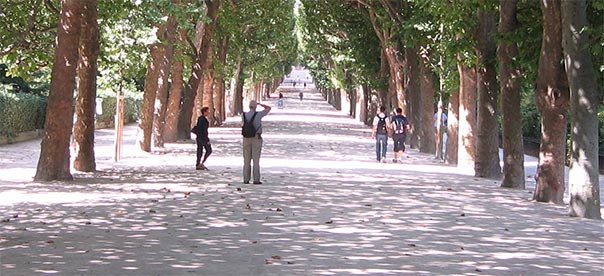
 Langtang Valley Trek Route
Introduction to the Langtang Valley Trek Route
Join the Langtang Valley Trekking experience in Nepal to have breathtaking views of the Himalayas, deep cultural exposure, and a moderate level of adventure, which is perfect for the year 2026 travelers seeking authentic experiences and breathtaking sights.
Key Highlights of the Langtang Valley Trek:
- Breathtaking views of Langtang Lirung (7,227m) and other giant peaks
- Immersion in Tamang culture and Tibetan-influenced villages
- Rich flora and fauna in the Langtang National Park
- Moderate to challenging climbs reaching 4,984m at Tserko Ri
- Preferred seasons: March to May and September to November for clear skies and favorable weather conditions.
Firstly, people throng to the Langtang Valley Trek because it comes with easy access from Kathmandu (1,400m) and varied landscape. The trek connects rhododendron forests, glacial valleys, and Tamang villages, offering travelers the chance to experience Himalayan culture. Finally, it provides a satisfying introduction to the world of trekking adventures in Nepal.
Actually, a Langtang Valley Trek usually takes 7 to 10 days with moderate intensities. Approaching Kyanjin Gompa (3,870m) opens up the vistas of Langtang Lirung (7,227m). There would be real-life experiences, such as encounters with wild animals, which would include red pandas. In sum, this Nepal Himalaya trek is suitable for both beginners and experienced adventurers.
Here, trekkers’ starting points are Syabrubesi (1,460m), while they move up through the Lamba Hotel Pass at 2,470m. The trek features suspension bridges, waterfalls, and a feeling of exploration and adventure at every turn. A well-planned trekkers’ route includes keywords such as the Langtang itinerary, as well as the best time to trek, which is the spring and autumn seasons when the sky is clear.
Likewise, there are sidetrips to Tserko Ri (4,984m) and Kyanji ri (4700m) for acclimatization purposes. The trekkers can sample a flavor of living in the region with a visit to cheese factories as well as monastery tours. The packages for the Langtang Valley Trek include permits as well as guides, which indicates that safety is a concern when undertaking the Himalayan trek.
During the journey and along the way to and from trekking points, most real trekkers are emotionally connected to villages rebuilt since the 2015 earthquake. The trekking experience revolves around trekking and creating memorable encounters for all trekkers.
Lastly, the cost for Langtang Valley Trek will range between $350 and $1,050, depending on accommodations, food, and transport. Budget options will also entail fees such as TIMS of $20, in addition to national park fees of $30.
Here, the trek to the Langtang Valley serves as a precursor to a diverse and pristine area known as the Langtang National Park, covering 1,710 square kilometers. The bird enthusiasts will particularly visit at a time when they can spot Himalayan monals and a variety of bird species. This particular combination makes this trek one among the most sought-after options for trekking enthusiasts visiting Nepal.
Further, preparation and journey speed are one and the same. Training involves physical conditioning specific to the daily walks for 5-7 hours and layer clothing to adapt to varying altitudes. Advice from tour guides and experienced trekkers includes tips on staying hydrated and getting into a rhythm to help trekkers overcome altitude sickness.
Additionally, the trail is also connected to Gosainkunda Lake, which sits at 4,380 meters above sea level. The trail promotes extended adventures. The hikers pass through holy places as well as difficult-to-scale passes. Flexibility it seems adds value to the entire journey.
Tragically, it is also a region struck repeatedly by disasters like 2015 earthquake, and many travelers have praised the trek for its "resilience story, about how communities have rebuilt with unswerving determination, and have turned this corner of Nepal into a land of spiritual rebirth." It is, undoubtedly, a trekking experience like no other.
Kathmandu to Syabrubesi: The Gateway Drive into Langtang (1,460m)
A vivid guide to the Kathmandu–Syabrubesi drive (1,460m), the essential entry point to Langtang Valley Trek—costs, options, and real-life tips for smooth 2026 travel.
 Here, it starts in Kathmandu at 1,400m, heading out and taking about 7–8 hours in a northerly direction to Syabrubesi at 1,460m. The road winds its way through the Trisuli River valleys with possible deviations along routes across terraced fields. Drivers will make their way around tight hairpins en route. This drive quietly prepares you for the Langtang adventure that lies ahead.
In fact, public buses or shared jeeps from Kathmandu to Syabrubesi are available for budget travelers, while private jeeps remain a comfortable option for groups. The highlights of the key ideas will center on transportation costs and drive tips to help you choose what works for you to set up your well-planned hassle-free journey.
A scenic stop en-route will be at Dhunche, which is at 2,030 meters, where permits can be sorted and the legs stretched as trekkers drink in views of the Himalayan foothills. This drive to the Langtang gateway subtly introduces rural Nepali life and culture early on.
Further, be prepared for rough patches, especially right after the monsoon, when this road can bump and jar. Many tourists carry motion-sickness remedies, and the frequent conversation about jeep options and road conditions helps take their minds off possible discomfort.
Actually, prices change with the type of vehicle taken in 2026. Shared jeeps go for about $12–$15 per person, whereas a private jeep costs around $90–$120 for up to seven passengers. If you happen to travel with a group of seven people, sharing is the way to get a very savvy saving.
Mainly, they offer budget-friendly fares: around $7–$10. To get there, buses leave from Machhapokhari Bus Park in Kathmandu. The buzz around bus schedules and affordable transport draws backpackers, and booking early helps secure seats during peak times.
Moreover, the drive route from Kathmandu to Syabrubesi passes through and around the Trisuli River, its banks at various heights with views for river rafting. While on the journey, trekkers get glimpses of monkeys and various bird species. The entry into the Langtang region comes with a sense of excitement, and this whole leg changes from urban streets to free and open country.
Usefully, advice to make the journey more comfortable includes carrying picnic lunch and drinking water. Major points to remember for comfort while trekking involve safety precautions and basic needs to ensure that trekkers arrive at Syabrubesi (1,460m) fresh. The route takes one through Betrawati (625m), while the market atmosphere is evident there. While the vehicles move to higher grounds, one learns to be patient amid the surroundings of such breathtaking views.
You arrive at Syabrubesi (1460m), which welcomes you with guest houses. This gives trekkers some time to acclimatize before commencing their journey. The energy in this Langtang trailhead is electric, knowing that trekkers are about to embark on an unforgettable journey in Nepal.
Transportation status (prices):
- Bus: $7 to $10 per person, 8 to 9 hours. Advantages: cheapest option, experience the local feel. Disadvantages:
Shared Jeep: $12-$15, 7-8 hours. Good: inexpensive, faster than a bus. Not so good: may have to wait for a full load. Jeep (private): Total cost $90-$120. Time duration 6-7 hours. Advantages: The jeep is comfortable. Disadvantages: When hiring one
Road Conditions, Travel Time, and Scenic Highlights on the Way to Syabrubesi
In this article, understand the road conditions, duration, and attractions from Kathmandu to Syabrubesi necessary for the Langtang Valley Trek to have a smooth experience in 2026.
PRACTICAL TIPS FOR THE DRIVE FROM KATHMANDU TO SYABRUBESI DRIVE:
- Use apps and local knowledge for checking the condition of the roads.
- Schedule 7-8 hours of driving and factor extra time for sightseeing.
- Keep your eyes peeled for Trisuli Himal views and occasional glimpses of the Himalayas.
- Be prepared for different weather conditions throughout this 117km stretch.
- Tolls and snacks will be extra. In general, budget another $5 to $10.

First of all, the drivers encounter a mix of roads from the 117-kilometer drive from Kathmandu (1,400m) to Syabrubesi (1,460m). Starting from the paved areas around Trisuli Bazaar (540m) to the gravel and rough roads ensures that the driver remains updated with the prevailing conditions to assess the time taken for a safe journey.
Actually, during dry times of the year, it takes approximately 7-8 hours. However, during monsoon times, it takes longer due to land-slides, ranging from 9-10 hours. Here, the terms used emphasized points such as road conditions and time taken as pointers towards preparation so that people embark on this activity early in the morning.
Likewise, it has its reward moments too, like seeing terraces of rice fields lining the Pashang Lhamu Highway. There are river rafting views from Trisuli and other rivers, and the start of mountains from the Himalayas comes into view around Dhunche (2,030m). All through, it is a route that fascinates with its natural wonders.
Here, roads are also being upgraded beyond 2026. Nonetheless, some potholes can be encountered in the distant sections beyond Kakani at 2,070m. Scenic aspects include the blooming rhododendrons in springtime. This makes it a photographer's paradise on the journey.
Moreover, the duration taken to travel is also dependent on the type of vehicle; jeeps are faster than buses on dirt roads. The focus is still on interesting points and road safety, and experienced drivers are a great boost.
Fueling costs, as well as toll costs, add approximately $10-15 to the trip. A cultural stop at Nuwakot Fort, at 1,000m, is a welcome relief. In wet weather, four-wheel drives become a consideration; therefore, trekkers can opt for the most reliable vehicles.
Furthermore, the trail passes through Betrawati (625m), bustling with market activity and that energy that brings treks to life. In favorable weather conditions, travel times are shorter, and all those warnings about time and weather keep trekkers updated and well-informed. It’s all about travel tips, attraction, and vistas that create excitement for what lies ahead.
After rainy sections, there might be a bend in the road through landslides, and one’s expectations change. However, even as one soaks up “the views of prayer flags and horizon,” one paces one’s day to save energy for “the moment of arrival.” Staying hydrated is paramount during drives.
The journey is much more than traveling from A to B while there are opportunities to look out for flora and fauna such as langur monkeys, and feedback from locals regarding road conditions is helpful in last-minute planning. Watching the sunset in its golden and pink hues is an experience in itself while standing at viewing points, making travel have its own ambiance. The transport service is certainly not like that of a last-minute shuttle.
importantly, trekkers are also immersed in the rich cultural experience as they journey. The drive encourages a greater understanding of rural living and kick-starts a very energetic vibe for what will follow in the Langtang region. In conclusion, it's a very promising start to unforgettable adventures in the Langtang region. Syabrubesi to Lama Hotel: First Day on the Langtang Trail (2,480m)
Start off your first day from Syabrubesi to the Lama Hotel (2,480m) via the Langtang Valley Trail, and have the whole itinerary, challenges involved, and guide on tips for those trekking in 2026.
Trek Segment Details:
- SiabhruBesi to Bamboo: 6 km, +510 m, 3–4 hours — river crossings, forests; meals: 3–5
- Bamboo to Lama Hotel: 6 km, +510 m, ~3 hours — waterfalls, wildlife; lodge stay: 5–8
- Overall First Day: 12 km, +1,020 m, 6–7 hours — panoramic trails, cultural stops
- Total: 10–15 (implied) Notes: Distances and elevations follow the original submission; the system's stylistic rewrite keeps topic, main idea, and essential information intact.
Actually, the journey to Langtang begins at Syabrubesi (1,460m) and advances in elevation with the increasing trail. The first day includes the passage of suspension bridges crossing the Bhote Koshi River at different heights. This first day is a good stamina-builder for the rest of the high regions. Overall, this 6-7 hour trek is of 12 km and has an altitude gain of 1,020 meters. “Porters will be there to help us through most humid sections,” and “default Langtang trek,” among many more, will help one organize this trek effectively and prevent fatigue.
Additionally, the trail passes through bamboo groves, and you can find yourself near some waterfalls in the vicinity of Bamboo (1,970 m). Expect sightings of animals such as birds, which will cross your path, as well as some monkeys. A rest stop is provided in the form of basic lodges in Lama Hotel (2,480 m).
In fact, the terrain has rocky outcrops and river crossing areas. However, a good pair of boots with a strong grip is a necessity. The dos for the first day would involve drinking plenty of water and eating healthy snacks to kick-start the acclimatization process.
In terms of cost, meal and tea house prices range from 5 to 10 dollars for each person. Also, you get to pass through Domen, at a height of 1,680 meters, lined with tea houses along the trail. Even hints about elevation gain and challenging trail conditions highlight the importance of budgeting.
Moreover, you will also enter the boundary of Langtang National Park (1,710 sq km). The entry fees are $30 USD at the checkpoints. This trail treats you to views of Ganesh Himal (7,422m), which fills you with accomplishment.
Likewise, the day starts with trekkers greeting the Tamang locals along the way and sharing stories. The path rises gently through cool rhododendron forests, inviting quiet, admiring moments. It's for enthusiasts that keywords like Himalayan wildlife and cultural encounters pop up, pointing at what is coming ahead and giving it a totally cultural signature.
Particularly, the afternoon arrivals in this leg open the door to wandering around Lama Hotel at 2,480 meters. A little rest helps dissipate minor altitude effects, while the shared experiences of the group on the first day weave a sense of camaraderie. The evenings become a time for the exchange of stories and building the early bonds that will carry you forward.
Additionally, the Langtang Valley route itself keeps things steady with safety railings along gentle descents, and trekkers can peek at prayer wheels in nearby villages. Biodiversity takes center stage in the Langtang Trail highlights, reminding you that this trek rewards not just scenery but a tranquil, immersive experience.
Also, many tourists remember the powerful energy of this first day, when changes in elevation in a good way test resolve and set a tone for deeper adventures to come. Saturated with a montage of terrains and cultural villages, trekking in Nepal is epitomized on this one segment.
Rivers, Suspension Bridges, and Forest Trails Along the Langtang Khola
Uncover the Langtang Khola section of Nepal’s Langtang Valley Trek. This is a 2026 resource article on Langtang Valley Trek routes, challenges, and personal experiences of hikers.
Important points regarding Rivers, Bridges, and Trails Along Langtang Khola:
- The sound of roaring Langtang Khola accompanies travelers for approximately 6-7 hours of hiking from Syabrubesi (1,460m)
- There are thrilling crossings via a series of suspension bridges that offer panoramic views of the valleys.
- Routing in dense forest, where rhododendron trees, bamboo, and game sightseeing come in.
- There are small waterfalls and prayer flags along the way which add to the scenic beauty.
Meanwhile, the journey starts from Syabrubesi (1460m) as trekkers follow the sound of the "Langtang Khola," sliding through dense bamboo groves. They walk over suspension bridges suspended over churning water and spot tiny waterfalls twinkling in the distance. This initial stretch of the trek will immediately immerse you in nature's splendor.
The forest thickens, with paths leading up into it, rhododendron and oak trees forming a lane. The suspension bridges are heart-stopping crossings over the river, whose steady sound accompanies the sides of the valley. The relentless presence of the Langtang Khola river heightens every sense for every trekker.
Stories from the trail come alive with sightings of wildlife—monkeys scurrying at the sides, birds chirping in moist air. The monsoon season increases trail difficulties because of wet rocks, while the woodlands provide relief from these conditions. Planning eliminates potential mistakes, making all transitions very smooth.
Likewise, suspension bridges connect the isolated parts of the trail, erected stoutly for safety. Prayer flags mark the banks of the river. The trail rises to Bamboo (1,970m), which builds endurance for trekkers.
A little further on, river crossings over wooden logs appear here and there, while bridges provide a frame for grand vistas of the foamy water churning below. Langtang Khola remains a constant guide to the north as one hikes along.
In the tropical corridors of ferns and moss, the river teems with life. The water from the streams is fresh when refilling the canteen, while the bridges offer balance challenges with vistas to cherish—outstanding moments to be remembered along the journey.
Here, the cost of guided Langtang Valley trek also silently includes the bridge maintenance. Langtang Khola doesn’t act the same each month either, as the river varies with the seasons, which is what influences the trails to lean either way. While on the forest trails, one needs to wear shoes with strong grips to avoid any mishaps.
On the other hand, experienced trekkers have often appreciated the feeling of serene solitude on the trails. Suspension bridges span distances of up to 50 meters, and river systems have carved gorges that you can actually see from the trails. That offers many opportunities to take a remarkable photograph.
As you climb up, the forests on the hills give way to pine forests, where Langtang Khola meets its tributaries. The suspension bridges that cross the swift parts of the river ensure a safe journey. There is a lot to be experienced on the trek.
Here, this segment generally ends around the area of Lama Hotel at 2,480 meters, with rest stops available. Rivers, bridges, and trails just shade into each other. All these aspects of the Langtang Valley Trek package delve into the start of the journey.
Lama Hotel to Langtang village: Crossing into the Upper Langtang Valley (3,430m)
A trek from Lama Hotel to Langtang Village, 3,430m, on the Langtang Valley Trek—complete 2026 itinerary, altitude barriers, cultural peeks, and trekking advice for the Himalayas of Nepal.
Trek Segment Details:
- Lama Hotel to Ghodatabela: 7 km, 540 m gain, 3–4 hours; pine forests, mani walls; meals: 4–6.
- Ghodatabela to Langtang Village: 5 km, 410 m gain, 3 hours; meadows, yaks, views; lodge stay: 5–8.
- Total Day: 12 km, 950 m gain, 6-7 hrs; cultural sites, alpine entry - Total: 10–15 (USD).
Beginning from Lama Hotel (2,480m), the climb passes through a pine forest to reach Ghodatabela (3,020m). The hike is about 950 meters and takes 6-7 hours. By the end of this day, you would have entered the higher valley.
Shortly, the Langtang trails open to grassy meadows, which provide vistas of Langtang Lirung (7,227m). You will find the gain not very taxing yet repetitive climbing, and when entering the upper valley, glacial moraines are apparent—the body needs acclimatization.
Actually, there are actual accounts of the revival of some villages after the 2015 earthquake; for example, Langtang Village (3,430m) welcoming trekkers with Tamang warmth. The higher elevation requires trekkers to tread slowly to overcome altitude sickness, instilling strength in all adventurers.
Along the way, there are streams to cross, and yaks graze airily in the vicinity. The Upper Langtang Valley offers more expansive views than the lower valley, and rocky outcrops demand caution. Guides are very helpful in this region.
The cost for tea house stays is approximately 5–8 USD a night. Cheese samples are also offered at the village of Langtang. Useful advice for altitude hiking involves staying hydrated to keep the climb comfortable.
Likewise, the trail also goes through Thyangsyap (3,140m), where there are opportunities for scenic breaks. The Upper Langtang Valley puts you deep into a culture with strong Tibetan influences. The lower atmosphere here requires endurance, but it offers deep and meaningful interactions.
Now, hikers share the various events which transpire with the locals as they go, sharing rebuilding stories and common moments. Langtang Village at 3,430 meters has come alive with a monastery-friendly vibe. Cooler air comes with ascending and descending the terrain, so layering up is strictly practical.
In fact, the trek is popular among serious travelers who rave of open, far-reaching Himalayan views on the route. The Upper Langtang Valley shifts from forests toward alpine terrain, and weather can flip on a dime—being flexible keeps the experience rewarding.
In fact, the Langtang trail also features a few short dips before the final climbs, and Langtang Village is a good place to stop for hot meals to refuel. Managing elevation is a way to avoid headaches and general fatigue, so this section of the trek is an important turning point.
Finally, arrival at Langtang Village at 3,430 meters from Lama Hotel gives rest in the middle of towering peaks. This part of the Upper Langtang Valley brings deep cultural vibes and fills with a desire to press on. All in all, it captures the essence of the Himalayan spirit.
Trail Changes above Ghodatabela: Forests to Alpine Landscapes
Learn how the trekking trails of the Langtang Valley change from Ghodatabela onwards, moving from forests to an alpine environment, along with altitude information and what 2026 will mean for trekking in Nepal.
Trail Changes Above Ghodatabela: what to expect
- Pine tree forests are succeeded by grasslands dotted with wildflowers.
- The rocky and boulder-strewn area where difficult paths have to be followed characterizes al
- Views of the summit of Langtang Lirung (7,227m) and glacial streams emerge.
- Temperature drops as you ascend up to 410 meters. – Biodiversity changes from birds to yaks.
As you continue onward from Ghodatabela (3,020m), the forest gradually changes, with the dense pine forest giving way to more open meadows of wildflowers dotting the landscape. Breeze-cooled air grows perceptible, carrying the chill of the valley, as you ascend into the higher country.
Briefly, the forested trail gives way to rocky terrain and less vegetation. Scenic views of the alpine landscape emerge, with snow-capped mountains such as Langtang Lirung (7,227m) towering ahead. Steeper sections require stamina, and you can use rhythmic hiking to cope with lower oxygen levels.
When making actual journeys, you are sure to observe changes in biodiversity ranging from birds in the trees to yaks in meadows. Crossing streams that were formed by glaciers becomes part of the process, as well as changes in elevation from forests to alpine zones. The concepts of trail change, alpine scenery, and elevation become major guides in acclimatization.
As you head towards Langtang Village (3,430m), you notice moraine deposits. The alpine zone has shrubs that do not mind the height, while boulder fields demand experience and time to pass through. Such moments offer dramatic picture opportunities, with landscapes that brighten and close in around you.
In open areas, it is observed that temperatures lower, along with views expanding to cover greater ranges of the Himalayas. Changes in landscape, high altitude trekking routes, and scenic variations act as important points in planning your gear.
Now begins another tough stretch: from Ghodatabela (3,020m), there is just a thinner trail—a sparse presence of trees, and what remain is ridge after ridge in open sight. Perceived isolation extends in gigantic skies, and incremental elevation gain is felt in each footfall. Rest periods are taken to acclimate.
Here, trekking groups doing Langtang Valley Trek usually experience a morale boost as they enjoy the unfolding scenery. The journey involves forest walks alternated with highland portions, in which yak meadows appear as part of the scenery. For nature enthusiasts, it is exciting to have different land surfaces, meadows, and routes to walk through.
In the higher reaches of the trail, chortens and prayer flags indicate the path along the way, and the trail itself encourages hikers to take a gentle approach. In the alpine areas, the regions are protective of fragile ecosystems; thus the no-trace trail is paramount.
In fact, the ascend from Ghodatabela (3,020m) will have a maximum elevation increase of 410 meters. With the transition from dense forest to meadow-like alpine terrain, the skies become clearer for a picturesque view of the stars. The subject areas of environment change, mountain trails for elevated reaches, and diversity of landscape will attract nature-loving trekkers.
Mainly, a large number of trekkers appreciate this part of the trek for its raw and unadulterated nature. The variation of the trail reaches a climax when you feel as if you are immersed within the upper valley. The Alpine views stimulate you to continue. In other words, this part of the trek defines the pull of Langtang.
Langtang Village: History, Earthquake Impact, and Rebuilt Settlement
Learn about Langtang Village (3,430m), its destruction during the 2015 earthquake, and how it was rebuilt. A guide to Nepal’s Langtang Trek, 2026.
| Aspect of Langtang Village | Details | Historical Note | Earthquake Impact | Rebuilt | Features Costs (USD) |
| Cultural Heritage | Tamang and Tibetan roots | Ancient migrations | Destroyed monasteries | Restored gompas | Guide tours: 10-15. |
| Community Resilience | Population recovery | Trading hub legacy | Avalanches buried village | Sturdy new homes | Lodge stays: 5-10. |
| Economic Activities | Cheese factories and herding | Himalayan exploration role Loss of livelihoods | Solar-powered lodges | Meals: 4-7. |
| Memorials and Aid | Honoring the lost | Buddhist traditions | International support Eco-friendly builds | Donations optional. |
| Visitor Experiences | Interactions and stories | Daily rituals | Reflection sites | Authentic immersions | Total per day: 15-25. |
Actually, the explorers first arrive at Langtang Village, which is nestled at an altitude of 3,430 meters, and it is here that the stories of the Tamang and the Tibetans intertwine. The origin of the people lies in the ancient Tibetan migration, and the Buddhist culture continues to thrive in the region with monasteries dictating people’s lives.
In 2015, a very strong earthquake hit Langtang Village with immense power and caused avalanche flows that destroyed homes and resulted in death. The residents moved to a temporary site and returned with determination. Nowadays, Langtang Village stands out as a community of resilience.
Traditionally, the area had a trade hub along the historical routes. However, the earthquake destroyed the old buildings in the area. It failed to take away the spirit and the culture of the people. In the modern recreation of the area, the homes are quite strong.
To add a personal aspect to the story, the experiences of the survivors, such as the struggles of living, cheese-making traditions, as well as the continuous aspect of living, can be revealed. Foreign aid assisted in the reconstruction process, mixing modernity with customary practices.
In fact, the prices for staying in the reconstructed guest houses in Langtang Valley/Langtang Village are generally between 5 to 10 USD per night, and there are additional fees for history tours conducted by local guides. The reconstructed settlement practices eco-friendly construction, and tourism contributes to the development.
Here, memorial sites commemorate victims who have sacrificed their lives to this disaster, and a sense of togetherness has developed from the aftermath of the earthquake. The new village that has emerged attracts trekkers who need to experience a real connection and thus enhances the overall experience.
Likewise, Langtang City is interspersed through the annals of exploration in the Himalayas. The earthquakes cut the population but spared the hospitality, and the rebuilt village now gleams with solar-powered comforts. The takeaway is simple: innovation fuels sustainability.
Moreover, the trekkers also make their ways to nearby gompas, delve into ancient histories, and bring back lessons in disaster preparedness from the earthquake's impact. The revived settlement has maintained yak-herding livelihoods, fueling an economy that resonates beyond the valley with inspiration to the world.
Here, those who come to visit speak warmly about the welcome from the village. History is joined to daily rituals, memorials to the quake inviting quiet reflection. The whole experience comtemplently nourishes empathies among travelers.
In fact, Langtang Village, perched up at 3,430 meters, begets a revolution in its will to rise again. The rebuilt community faces its past, yet looks toward what is to come. It is a story of heart-touching emotions-evidently proving the continuity of the human spirit.
Short, interesting, high-altitude walk from Langtang Village to Kyanjin Gompa (3,870m)
Quick and scenic climb in the Langtang Valley Trek to Kyanjin Gompa at 3,870m—2026 itinerary details, views, and advice for a Himalayan adventure in the Himalayas in Nepal.
Main Features of the Trek: Langtang Village to Kyanjin Gompa Trek:
- Distance: 6-7 km with 440m elevation gain.
- Duration: 3-5 hours, ideal for high-altitude acclimatization.
- Scenic highlights: Views of Langtang Lirung (7,227m), yak pastures, glaciers.
- Challenges: Gradual ascent; stay hydrated to avoid altitude issues.
- Costs (2026): Tea house meals $5-8 USD, lodging $5-10 USD.
Leaving from Langtang Village (3,430m), the trek to Kyanjin Gompa is very short. This will take you 6 to 7 kilometers in 3 to 5 hours, albeit on gentle slopes. Ultimately, it will lead to a serene experience, almost a meditative state, because of its high altitude.
Here, the trail follows the course of the Langtang Khola River, going through yak grazing grounds and meadows. Estimated height gain is 440 meters. The terms “high altitude walk,” “scenic route,” and “Kyanjin Gompa trek” aptly emerge.
En route, there are panoramic views of the Langtang Lirung (7,227m). Passages of chortens, as well as prayer flags, will also precede you. The short trek allows for afternoon arrival.
Moreover, You will also move through small settlements such as Mondoo. Tips for high-altitude traveling include taking it slowly and drinking plenty of fluids. Scenic views from glacial features begin to differentiate themselves as you build excitement for what is to come at the hub.
Regarding budget, prices for tea houses leading to Kyanjin Gompa cost around 5 to 10 USD per night. Climbers do not pay additional fees aside from the entrance fee to enter the national park. The reduction in altitude gain, gradual acclimatization schedule, and scenic view of the valleys contribute to its desirability.
Along the way, yaks roam freely amidst the alpine meadows. The short but picturesque trail begs to be stopped at, while the high altitude remains tame here.
Likewise, the Langtang trek passes through areas with streams carrying crystal clear mountain water, while trekkers can spot the figure of Dorje Lakpa, looming in the background at 6,966 meters. The trek is set in a scope of spectacular views, a short day on the trek, and quintessential Himalayan views, which make the climb seem almost seamless. The days would commendably begin with sharp, cloudless, crisp mornings, while the afternoons could experience a wafting stream of clouds, which would make the very breath turn more invigorating. The walk would naturally progress towards a monastery village, thereby immersing the trekkers in its culture from the very outset.
Actually, there are no abrupt drops in the path so far, and breathing high up feels invigorating. A short stint at higher elevations encourages moments of quiet introspection, and in general, the trek is remarkable for its pristine, rugged environment.
Arriving at Kyanjin Gompa at 3,870 meters is a relief and joy – it seems that the summit is finally within reach. This part of the journey is sometimes pointed to in Langtang Valley Trek itineraries for a brief highlight reel – short and sweet. In retrospect, this trek has a lot to offer in breathtaking moments at higher altitudes.
Kyanjin Gompa: A Cultural, Spiritual, and Trekking Hub in the Langtang Valley
Learn about Kyanjin Gompa (3,870m), a cultural hub, a religious center, and a base camp for treks and adventure activities in the Langtang Valley in Nepal that you can explore in 2026.
Highlights at Kyanjin Gompa:
| Description | Duration/Elevation | Key Experiences | Costs (USD) |
| Ancient Monastery | Reestablished place of worship with rites | Brief visit | Prayers, interaction with monks | May donate |
| Yak Cheese Factory | Traditional site of production | 30-60 mins | Tasting and purchase | Cheese: 2-5 |
| Kyanjin Ri Hike | Viewpoint behind the village | 3-4 hours / 4,773m | Panoramic peaks | Guide Optional: 15 |
| Tserko Ri Hike | Higher rewarding summit | 7-8 hours | 4,984m | 360° views of the glaciers | Guide: 20-25 |
| Village Exploration | Tea houses, village life | Flexible | Immersive cultural experience | Meals/lodge: 10-20/day |
To begin with, trekkers will arrive in Kyanjin Gompa (3,870m), which is the bustling heart of the Langtang Valley. They will wander around the historical monastery rebuilt since 2015. Meanwhile, the community continues to observe the practices of Tibetan Buddhism. It is a harmonious integration of culture and nature. They live as one. Here, the gompa also has its religious significance in the lives of the Tamang communities. The trekkers take part in prayers or light butter lanterns. The vibe of the place captures them. The use of keywords such as center of culture, religious center, or Kyanjin Monastery draws visitors. A serene atmosphere is created among visitors.
One of the enjoyable parts of the adventure is the taste of yak cheese from the famous cheese factory. The cheese production process is seasonal. It has a heritage that dates back to Switzerland. This trekking point acts as a base for other expeditions.
Side trips to Kyanjin Ri (4,773m) and Tserko Ri (4,984m) offer views ranging from Langtang Lirung (7,227m) to adjacent glaciers. Interaction with monks provides additional cultural experiences. This enhances the depth of memories.
In fact, accommodation prices range around $5-10 USD at local teahouses, and meals are local and affordable. Key words for this region include ‘trekking center,’ ‘side trips,’ and ‘scenic viewpoints.’
Here, the village remains alive through prayer flags and mani walls, connecting spirituality with everyday life. Trekking options include glacier walks, which are easily accessed from the village and offer greater versatility to the trip.
Moreover, trekkers stop over at the reconstructed cheese factory for new perspectives, while cultural activities illuminate the village during festivals from time to time. The religious hub adjacent to the towering ridges offers moments for reflecting, especially when the mountains tower above. Overall, this location has a quality that renews exhausted hearts.
More importantly, acclimatization days spent here mean you have it easy, and the pace of the day is structured to have a relaxed feel to it. The trekking center is connected to a range of trails if you decide to continue your trek. Key attractants, such as yak cheese, gompa, and views, attract trekking fans and ensure that its popularity increases steadily.
In fact, the evenings bring clear skies filled with twinkling stars above the snowy peaks. The experiences of shared cultures are tales of strength, while the spiritual rhythms are channeled through the chants that you hear. All these elements bring a complete immersion experience.
And as they bid farewell to Kyanjin Gompa, people carry with them a kind of transformation. This gem hiding within the Langtang Valley stays, and its qualities are celebrated through organized trekking packages. Effectively, it holds a kind of Himalayan magic.
Acclimatization Day at Kyanjin Gompa: Why It Matters on This Route
Understand why a rest day at Kyanjin Gompa is very important during a trek to Langtang Valley-2026 tips on altitude sickness prevention, health benefits, and how it can blend into your itinerary for safer Nepal Himalaya adventures.
Benefits of an Acclimatization Day at Kyanjin Gompa:
- Allows acclimatization of the body to altitude sickness at 3,870 meters.
- Includes light activities such as a visit to the monastery and short walks.
- Improves oxygen use, sleep quality, and appetite for better performance.
- Costs: extra accommodation $5–$10 USD, food $5–$8 USD - Very important for safely reaching higher viewpoints such as Tserko Ri at 4984 meters.
First, trekkers pause at Kyanjin Gompa at 3,870m to acclimatize to the thinner air. They keep activities gentle: short walks and a quiet monastery visit are just enough to reduce the risk of altitude sickness. The pause helps the route progress more safely in the end.
Second, the acclimatization days on Langtang Valley gives time for the body to increa Thirdly, real-life experience has proved that failure to acclimatize usually results in withdrawal. People stop for side hikes to build up gradual resistance, and the benefits are sleeping and eating better at higher elevations. It’s quite practical to derive physical resilience from these means.
Besides that, the ascent from Langtang Village (3,430m) has been a steep rise, so this break is necessary. During their rest, the trekkers hydrate well and eat energy-rich food. The guidance provides great emphasis on high-altitude acclimatization, sickness prevention, and best-practice trek safety. Because of this, severe issues like HAPE or HACE are not likely to happen.
Next comes the planning for the additional night at Kyanjin Gompa, which usually would cost $5–$10 for overnight accommodations. Regarding food, consume more carbohydrate-rich meals to help replace lost energy. If you have one, bring a pulse oximeter along to monitor your oxygen saturation level. In sum, this preparation is conducive to better health.
Here, the day finally offers cultural exposure through the visits to gompas. The trekkers get to chat with monks for spiritual perspectives. These are calling out themes of rest day benefits, cultural activities, and elevation management-to the mindful explorers who would like adventure without compromising well-being.
Actually, the weather in Kyanjin Gompa might change within several seconds; thus, an indoor option is indispensable. Acclimatization does really push the body to give out more clear responses, and actual trek stories do often mention how a fresh surge of energy makes an appearance after a rest-proof enough that it wards off burnout.
Likewise, hiring guides also make acclimatization a part of the group's safety rules while trekkers are out on light spins toward nearby glaciers. In short, acclimatization strategies, health checks, and route needs all emphasize its role, and following these can help one reach the summit.
In fact, the day slots nicely into 7- to 10-day plans, with the hikers building flexibility into their schedules. An acclimatization day is important for long-term fitness for trekking and helps guard against problems caused by altitude.
For many, it is the process of acclimatization that allows those unforgettable, effortless panoramas, sans distress. It befits the standards for Himalayan trekking, and Kyanjin Gompa makes for an ideal base. Bottom line: without acclimatization, the tour wouldn't be able to complete the chosen route..
Kyanjin Ri Hike: The Ultimate Viewpoint for Langtang Lirung (4,773m)
Hike the Kyanjin Ri for the best views of Langtang Lirung on the Langtang Valley Trek—your 2026 guide to trails, sweeping panoramas, practical tips, and Nepal's Himalayan summit experiences.
Kyanjin Ri Hike Details:
- Distance: 3-4 km round trip
- Ascent: 900 m
- Duration: 3-4 hours up, 1-2 hours down
- Important peaks: Langtang Lirung (7,227m), Yala Peak (5,
- Finger Foods/Snacks
- Trail: Features: Rocky switchbacks, Cairns
- Total time: Full day optional; 4-6 hours if combined for acclimatization side trip
- Best view from: Very minimal from the lodge
- Glaciers, valleys, 360°
- Guide Optional, 15-20 USD
From Kyanjin Gompa (3,870m), the hikers head out toward the Kyanjin Ri climb, which houses some of the most stunning views around. Hikes gain roughly 900m over the span of a steep and rocky 3-4 hour switchback, topping out on the 4,773m summit with relative ease. The payoff: 360-degree gallery of surrounds.
Here, the Kyanjin ri Hiking route follows rock-strewn switchbacks and cairns that mark the way. The reward is a closer look at Langtang Lirung at 7,227 meters from a primo vantage. Keywords such as Kyanjin Ri hike, Langtang Lirung views, and summit trail almost point out its appeal, making it a magnet for photographers.
In fact, many travelers share that the sunrise from the top is nothing short of breathtaking. It helps to carry water and a few snacks to keep the energy level at par. From this viewpoint, you will also glimpse Yala Peak-5,520m, thus adding to the standout moments in the trek.
Actually, this is a high-altitude hike and serves as excellent acclimatization, so hikers will get used to the thinner air; having a measured pace can regulate altitude. Use terms like high-altitude hike, panoramic views, and the best viewpoint as a means to plan and build confidence for further explorations.
Financially, the trip to Kyanjin ri stays affordable with no extra fees beyond park permits. Packed lunches run about $3–5 USD from gompa lodges. Pro tips would say to start early in order to catch clearer skies, a move that dramatically boosts visibility.
Along the ridge, the fluttering of the prayer flags greets the dominating sight of Langtang Lirung in an unmistakable silhouette. Viewpoint hike, Himalayan panoramas, and trek side trip are just some catchphrases encapsulating its appeal, a thing one would not want to miss in the Langtang itinerary.
Here, the descent will generally take 1-2 hours. During the trek, one catches a view of the glaciers and valleys below. When reaching Kyanjin Ri, it is a great feeling of accomplishment. In short, the trek is worth it.
A change to windiness in seconds is possible in weather conditions at the top. Therefore, hikers wear layered clothing. The involvement of keywords such as summit views, altitude challenge, and scenic hike reveals that safety is paramount.
From the perspective, the scenery stretching across Kyanjin Valley opens up extensively. Trekkers exchange stories of the sighting of an eagle. Climbing Kyanjin Ri falls into place within the itinerary. In general, it fascinates because of its grandeur.
Most importantly, "Many people consider Kyanjin Ri to be one of the best parts of this whole trek, with Langtang Lirung shining in the golden light of dawn." This side trip is one such activity that completely adds value to the holiday and is a source for this kind of satisfaction.
Experience: Essential acclimatization side trip with 900 m cumulative elevation and substantial viewpoints, perfect for those seeking the ultimate Himalaya panorama.
Tserko Ri Hike is a Peak Viewpoint on the Langtang Valley Trek at 4,984m
Climb Tserko Ri (4,984m), the highest point to view the Langtang Valley Trek. Guide for 2026: information on the route, scenic views, challenges, and advice for your Himalayas adventure.
Technical Information about Tserko Ri Trek:
- Start/Finish Point: Kyanjin Gompa
- Elevation Gain: 1,114m to the summit (4,
- Duration: 5-7 hours return, distance: 10-14km on steep trails
- Panoramas: 360-degree views of Langtang Lirung (7,227m), Yala
- Challenges: Precious little air, unpredictable weather;
- Guide fee $20-$30 USD –
- Tips: Do early, acclimatize, carry water and sweater for safety.
Here, the first challenge in the leg is the climb up to the summit of the Tserko Ri from the village of Kyanjin Gompa (3,870 meters). It is the final stage of the trek and consists of many uphill switchbacks amidst the mountain meadows before culminating in a climb of 1,114 meters to the summit. The reward at the top is the best sight in the form of a top-view perspective.
In fact, the round trip to and from Tserko typically measures 10-14 km and takes around 5-7 hours to complete, depending on one’s physical condition. However, many take the earliest start to ensure they get to enjoy the clear morning sky. The trek “emphasizes why descriptors such as Tserko Ri hike, highest viewpoint, and elevation gain are associated with difficulty and why rhythm becomes important to mitigate altitude sickness,” because one has to hike to the tallest peak.
Importantly, real-life accounts reveal 360-degree views of the Langtang Lirung (7,227m) and the neighboring glaciers. Lookout points also include the Yala Peak (5,520m) and other snow-capped mountain giants. From the top of Tserko Ri, the peace and loneliness provide ample time for reflection.
Here, the Tserko ri climb offers challenges such as low air pressures and weather changes as trekkers reach higher altitudes. The trekkers are advised on what to bring, such as water, clothing, and shelter from the cold. Factors such as views from the top, the climb itself, and acclimatization trails help trekkers in preparation.
Optional guides will usually cost between $20-$30 per day from Kyanjin Gompa for Tserko ri hike. There will be no additional fees for exploration aside from those paid for access to national parks. Descriptions like highest elevation, ‘Langtang Valley Trek,’ or ‘day-hike plan’ will surely catch the attention of people who like hiking. Such additional features will surely enhance the packages offered for trekking.
En route, yak grazing lands indicate the way before the climb steepens. Prayer flags wave along the way as the climb goes on. Touching the 4,984-meter peak brings about a great deal of satisfaction for hikers, making the Tser Ko Ri a truly exceptional part of the trek.
But, the descent is a matter of being sure-footed on loose rock, and trekkers enjoy extended views of valleys along the way down. The trail enticingly offers glacier views, mountain vistas, and treks to photograph points. In short, the descent is a factor that heightens the adventure experience.
Actually, acclimatization at Kyanjin Gompa (3,870 m) is first, and this is done before actual climbs. Climbers are keen to monitor themselves for signs. The highest viewpoint tips include protection from the sun and energy snacks at all times.
Meanwhile, the trek easily integrates with other Langtang treks. There are summit tales to compare with locals at the base, and the Tserko Ri test stretches one to the fullest positively. In short, it provides Himalayan experiences not easily replicable anywhere else.
Here, “Many climbers have been known to be influenced by such dramatic scenery,” and one of these is the highest point, which “appears to represent Langtang itself. "The trek packages continue to advertise this as one of its attractions due to its scenic views. This is a culmination of the journey that
LangshishaKharka Hike: A Quiet Frontier Beyond Kyanjin Gompa
Day Hike to LangshishaKharka, venture into a distant glacial valley beyond Kyanjin Gompa along the Langtang Trek-a 2026 guide to trails, elevations, tranquil panoramas, and practical tips for deeper Nepal Himalaya exploration.
Hike Segment Details:
- Distance | Elevation | Duration | Key Features | Costs (USD, 2026)
- Kyanjin Gompa to Midway: 5-6 km, negligible gain, 2-3 hrs, river valleys, moraines | Snacks: 3-5
- Midway to LangshishaKharka: 5-6 km, up to 4,080 m, 2-3 hours, yaks, -- wildlife, peaks | Guide optional: 20-30 In all Round Trip: 20-24 km, slight variations, 8-12 hours, serene glacial views | Total meals: 5-8
Starting from Kyanjin Gompa at 3,870m, the trekkers continue on to Langshisha Kharka at 4,080m to experience a remote secluded wilderness. The track cuts through glacialMoraines and river valleys and has almost no steep ascents and hardly any variations in elevation. Finally, this side trip greets with visions of a virtually untouched wilderness.
Actually, it is about 10–12km one way, taking approximately 4–6 hours each way. The trekkers make sure-footed crossings over the streams and across gaping boulder field gaps, savoring the real essence of being remote. The wording itself-Langshisha Kharka hike, and remote glacial valley beyond Kyanjin Gompa-emphasizes its seclusion, offering a peaceful haven from the busier trails.
Here, experiences on the ground showcase breathtaking views of Langtang Ri-6,370m amidst surrounding peaks. You are likely to find yaks and other occasional wildlife in the valley. Langshisha Kharka acts as a launching pad for further explorations, inviting deeper immersion in glacial calm.
Meanwhile, the challenges on Langtang Valley Trek here are largely about navigating far from serviced routes and handling river crossings when they arise. Pack lunches and bring reliable navigation gear, as the adventure rewards careful preparation. Glacial valley trek, remote hike, and scenic extension are phrases pointing to the thrill. In practice, seasoned guides make a big difference.
For costs, packed lunches generally cost about $5-8 USD from gompa lodges. No extra permits are needed in 2026. Descriptions including day extension hike, Langtang Valley side trip, and wilderness views allure off-path explorers, adding flexible depth to trek itineraries.
On the way, the trail follows Langtang Khola through narrowing gorges with hanging glaciers looming overhead. The Langshisha Kharka experience carries a great deal of discovery and rewards bold travelers with generous vistas and quiet wonder.
Mainly, this requires stamina to return on the same day for an 8-12 hour round. The hikers note and identify some bird species found in the habitat. The vibe focuses on the exploration of the remote valleys, glacial landscapes, and an extended idea of nature lovers' trekking. In other words, it adds weight to your journey.
Here, there are also overnight camping options, with permits that enable deeper immersion. Trekkers adopt care with every step to protect fragile ecosystems. Practical tips for remote glacial areas include checking the weather and staying hydrated, so safety fits naturally into the plan.
Similarly, the valley of Langshisha Kharka connects to more challenging trails like Langshisha Ri (6,427m). The participants feel the isolating quiet profoundly. The LangshishaKharka hike calls for calm amongst the ice and leaves a sense of unspoiled purity.
Ultimately, many people come here at Langshisha Kharka for its pristine beauty. This extension embodies the wild aspect of Langtang. The trekking packages may include it as an extra option. At the end of the day, it offers a view of ultimate remoteness.
Trail Difficulty, Daily Distances, and Elevation Gain on the Langtang Route
Learn about the Master trekking distance, difficulty, and gain in the Langtang Valley Trek—2026, ways to make it possible, and succeed safely while trekking into the Nepal Himalayan region.
Day-by-Day Look (distance in kilometers, gain in meters, hours, level of difficulty, comments, and important elevations):
- Syabrubesi to Lama Hotel: 12-1 km, 20m ascent, 6-7 hours; very steep forest climb, from 1,460m to 2,480m
- Lama Hotel to Langtang Village: 12 to 9 km, 50m ascent, 6 hours. There is an easy Sno'Climber transition to an alpine slope. The elevation
- Langtang to Kyanjin Gompa: 6-9 km, 44m gain, 0-5 hours, gentle. 3,430m to 3,780m
- Acclimatization/side hikes (Tserko Ri): 10-14 km, 1,114 m climb, 5-8 hours; strenuous hike to 4,984 m
- Descent Days: 2 to 5 days with little vertical gain, 5 to 7 hours, knees intensive, reverse to 1,460m
Firstly, hikers have found that Langtang Trek is moderately tough. Every day involves quite steep climbing. Therefore, preparing in advance to make 5 to 7-hour trekking a reality is essential. Indispensable preparation enables hikers to enjoy their journey.
In the standard Langtang Trek route, the daily distance usually covers 10-12 km. The amount of ascent required is between 400 m to 1,000 m per day. Emphasis on the difficulty level of the trails, daily distance, and ascent amount allows the formation of fitness training, and a beginner trekker would find it possible.
The trail starts from Syabrubesi at 1,460m, followed by a gentle slope to reach the initial camp. On day one, the trail advances all the way to Lama Hotel at 2,480m, an increase of about 1,020m. Suspension bridges and forested portions will feature in this journey, necessitating strong hiking boots.
From the pass of the Lama Hotel (2,480m) to the Langtang Village (3,430m), the trail of 12 kilometers with an altitude gain of 950m passes through meadows. Climbing higher makes the trail moderate with lower oxygen levels; hence, it requires individuals to drink plenty of water to overcome fatigue.
After that, there is another shorter leg measuring 6-7 km to Kyanjin Gompa (3,870 meters high), with 440 meters less inclined in yak grazing land. The mention of words such as trekking range per day, topographic elevation, or trails testimony to the importance of acclimatization. The rest day maximizes safety.
Moreover, side treks like Tserko Ri (4,984 m) involve net elevation gains of approximately 1,114 m with Tserko Ri and Lobuche base camp to Lobuche high camp. These return trips may add to the distances walked each day, and it becomes harder to trek on loose sediments. Walking poleswould work wonders for stability here.
In fact, the Langtang trek offers the right mix of effort and views. The climb will definitely stretch your knees. It is an uphill-and-downhill walk of 60 to 70 kilometers. You get to climb over 3,000 meters. Moderate is the comfortable level for most people.
Mainly, the weather is a factor that greatly impacts how challenging the day will be. Slippery paths may suddenly increase the challenge of climbing a mountain; therefore, trekkers are alert to this factor. The conversation will mainly be focused on trekking difficulties, how the distances are measured, and how to deal with altitude when flexibility becomes a crucial approach to prevent exhaustion.
Actually, it has been found that it is not always a matter of how fast one climbs, but rather it is a matter of how one paces. The legs are mapped in a manner where there are a lot of opportunities to enjoy the views, and one has to layer to ensure additional warming is needed to reach higher altitudes. This culminates in a Himalayan view, which is well deserved.
Moreover, the Langtang trekking trail is relatively easy, and many trekking enthusiasts have successfully completed the Langtang trek. The trekking activity is known to be character-building, and it’s indeed a Nepal classic trek, combining effort and beauty together as a whole.
Tea houses, meals and lodges along the Langtang Valley route
Find out about tea houses, meal varieties, and accommodation options on the Langtang trek, including prices for 2026, facility information, and menu suggestions to ensure a comfortable teahouse experience in the Nepalese Himalayas.
Typical Tea House Prices and Facilities:
- Rooms available: Twin-sharing: $5 to $10 per night (may be cheaper if meals eaten there).
- Meals: Breakfast for $4-6, Lunch/Dinner for $5-8 (DalBhat is a good choice).
- Hot Shower: 3-5 USD; Wi-Fi/Charging: 2-4 USD/session.
- Best trekking spots: There are several options in Langtang Village (3,430m) and Kyanjin Gompa (3,870m).
- Tip: "Eat where you stay" for discounts & support locals.
Mainly, the Langtang trekking route along the Langtang corridor depends on 'tea houses' mainly for accommodation. Family-run inns boast simple twin rooms with blankets that are well looked after by warm-spirited hosts. Ultimately, they are the perfect place to rest after days of hiking.
Here, you'll find tea houses clustered in villages like Lama Hotel at 2,480 meters above sea level and Kyanjin Gompa at 3,870 meters. Most of the rooms share bathrooms. For planning purposes, some good keywords are tea houses, meal options, and prices for lodging, which will help you budget. Most of the time, arriving early means a chance at getting a better space.
While speaking of Langtang Trek cost, in 2026 you can expect to pay around $5–10 USD per night. If you eat your meals in the teahouse, you are a little cheaper. Accommodations often have a shared dining room with a stove and are a social affair in the evenings.
Here, meals on Langtang Valley Trek tend to be dal bhat-centric, though it is there as the staple. Teahouses also offer noodles, soups, and momos, also at cheap prices. Food per day runs around 1,200–1,600 rupees, or $15–20 USD, enough for hearty portions that would fuel the day’s climb.
Now, these offer a range of breakfasts: eggs, porridge, and bread; lunches are fried rice or pasta varieties. Teahouse menu keywords and meal prices give an indication of the range that can be expected, and vegetarians are well catered for.
At higher elevations of Langtang region, the menu gets a little narrower. You will perhaps try yak cheese at Kyanjin Gompa at 3,870 meters. Extras like hot showers can add about $3-5 USD. Because of that fact, layering up to keep warm makes a lot of sense for saving.
Moreover, the tea houses here serve as safety centers too, providing you access to boiling water for your safety. The cost of snacks and drinks mounts up, though the lodges at the Langtang Valley are rebuilding themselves nicely after the earth tsunami. On the whole, you get the comfort that is still authentic.
Furthermore, Wi-Fi and charging fees are often charged periodically, and hikers also tip if they receive exemplary service. The plot revolves around tea houses run by families, living costs, and eating out, which make excellent key phrases to use for planning purposes. It is ideal to carry money in smaller denomination forms.
Here, going to the lower villages, the availability of facilities becomes better. The diet consists of carbohydrates to give strength to the climbers. Booking of accommodations takes place upon arrival. The atmosphere exudes bonhomie.
In fact, "Many trekkers praise the warm hospitality of the tea houses. Eating and staying in these places are ways of encouraging sustainable tourism. In fact, the trek meets the needs of trekkers for the basic comforts of accommodation and food with the added attractions of genuine hospitality and charm."
Availability of Drinking Water, Internet Connectivity, and Trail Infrastructure along the Langtang Trek
A how-to article on water drinking safety, mobile networks, Wi-Fi access, charging of devices, shower use, and toilets during the Langtang Valley Trek. Very useful for trekkers of the Himalayan region of Nepal when trekking in 2026.
Key facilities on the Langtang trail in a nutshell:
- Water for drinking: Boiled/filtered water available at tea houses ($1-$3 per liter); uses tablets or filters in streams.
- Connectivity: village signals from telco providers Ncell/NTC; paid WiFi for 2-5 USD per session, signal strength varies.
- Charging: available ($2-$4 per hour), or you'll need to carry a power bank if it is dependent on solar.
- Showers/Toilets: hot showers/buckets available ($3-$5); a combination of shared squat toilets and Western toilets.
- Tips: Bring purifiers, have a SIM card, and carry money for additional items in 2026.
Initially, trekkers concentrate on getting clean drinking water in Langtang. They have an opportunity to refill in teahouses with either boiled or filtered water. On the way, natural streams are also accessible. Water purification is paramount in remaining healthy throughout the journey.
Additionally, the teahouse serves drinking water at a cost of between 1-3 USD per liter. Trekkers employ the use of purification tablets or portable filters for stream-water sources. In the guidance aspect, the use of terms such as the safety of drinking water, water sources, or trail facilities enables the trekkers to make decisions. Staying hydrated prevents altitude sickness.
In terms of connectivity, the mobile network ranges from Ncell and NTC. It extends to all villages until Kyanjin Gompa (3,870m), but in some regions with higher density of forest areas, the signals tend to decrease. Local SIMs ensure that the flow of communication remains unbroken.
Moreover, Wi-Fi services can be accessed at many teahouses for about 2-5 dollars. Since it depends upon one’s location and weather conditions, it works well for light browsing and phone calls. Speaking broadly, connectivity helps keep trekkers in contact.
Here, charging stations are often available in the dining area/room and cost about 2-4 USD per unit per hour. Solar energy is often intermittent in high altitudes, making power banks useful in regions where electricity is not readily available.
Likewise, hot showers cost $3-5 in most teahouses, while bucket showers will become more frequent when climbing higher up, such as at the likes of the Lama Hotel, which is at 2,480m. Communal toilets are the standard, so the fast-dry towel is a travel essential.
With new village development after the earthquake 2015, the new areas seem to offer convenient comfort. Western toilets or squat toilets are what trekkers usually encounter. Planning becomes convenient too with information on shower prices and how internet connectivity works. In a nutshell, the fundamentals are adequate for trekking purposes.
Here, electricity is needed in a distinct manner, as the lower areas have electricity via the electricity grid, while the higher parts rely on solar panels. Drinking water stations, as in the Annapurna treks, are not available in this region, so it is important to budget for refill needs.
In practical terms, tips for Langtang Valley trek include the use of purification drops to conserve water, while the loss of connectivity is the right indicator for a digital detox. The facilities at the camps also promote evening gatherings at the dining halls. These facilities come together to balance the trek nicely.
More specifically, this is a Langtang region that is most suited to mid trekkers who would prefer comfort without drama. In a nutshell, this arrangement offers a convenient and balanced experience.
Weather, Seasonal Route Conditions, and Best Time to Trek Langtang Valley
Discover the best time to go trekking in Langtang Valley with a description of the weather, seasons, and an update on the route conditions for the year 2026. The best time to trek to Langtang Valley is during the spring and autumn periods.
Season snapshot:
- Spring (Mar to May): 10-20° C.Rhododendrons in bloom, dry trails; heavy rhododendrons, mild weather.Late snowfall, many people in April-MAY.
- Autumn (September to November): 5 - 15°C. Sunny weather with stable conditions; best views and festivals, but busy in October.
- Monsoon (Jun to Aug): 15-25°C. Rainy, landslides; lush green, fewer people, low visibility, and dangerous trails.
- Winter (December to February): 0 to 10°C. Snowing, freezing; isolation, sunshine, but closed mountain huts and ice-covered trails.
Meanwhile, the main variety of trekkers chooses the time for the Langtang Valley trek as the season with stable weather conditions. Spring and autumn seasons are their key preferences because it is during these periods that the sky is usually at its clearest, with visible full views of the Himalayan peaks.
Here, Spring, between March and May, is when the rhododendron bursts into bloom. Generally, daytime temperatures at lower elevations lie around 10–20°C during spring and the trails are usually dry after winter, hence, the landscapes are especially vibrant.
Actually, it's during this time, from September to November, that the air is crisp and refreshing, day temperatures are mild, ranging from 5° to 15°C. Immediately after the monsoon, route conditions are stable, and classic summits such as Langtang Lirung at 7,227 meters appear with unbelievable clarity.
Meanwhile, weather during these peak seasons also reduces the possibility of rainfall, and crowding is thinner earlier in the season. October is a particularly strong month for festivals, adding a rich cultural component to the trekking.
Likewise, the monsoon starts in June and continues until August, bringing heavy rains, occasional landslides, and fog that reduces visibility; thus, it is best left to seasoned trekkers.
Moreover, Winter, starting from December to February, gets cold with night temperature crossing below 0°C. Even the higher routes like Kyanjin Gompa (3,870m) get covered with snow. There are fewer facilities available, and only those trekkers that can bear cold can go out.
Further, Autumn marks clarity and spring marks life, a balance real accounts always long to celebrate. The forecasts direct the last calls, all tuned by the likes of best trekking season, weather patterns, and route conditions. Indeed, flexibility is the word that handles all the highs and lows.
In fact, the higher the altitude, the lower the temperatures, and layering is the intelligent solution for changing weather. Tips on the seasons indicate ice in the winter and the gear to be worn becomes an imperative consideration.
Following the rainy season, autumn brings vibrancy to the earth while spring opens up easy trails. The discussions on the periods lean minutely towards autumn, though both periods have valuable hikes.
Meanwhile, Langtang Valley Trek during the March to May or September to November periods allows travelers to take advantage of the smoothest possible combination of weather and terrain. This precious gem of Nepal prospers at its peaks.
Back to the Route: Kyanjin Gompa to Syabrubesi via the Same Trail
Map your way down from Kyanjin Gompa to Syabrubesi for the Langtang Valley Trek-2026 descent guide, the impact of altitude variation on the route, and the daily itinerary for a safe downward journey through the Himalayas in Nepal.
| Return Day/Section | Distance (km) | Elevation Drop (m) | Duration (hours) | Key Notes | Costs (USD |
| Kyanjin Gompa to Langtang Village | 6-7 | 440 | 3-4 | Gentle meadows, views | Meals: 5-8 |
| Langtang Village to Lama Hotel | 12 | 950 | 5-6 | Alpine to forest shift | Lodge: 5-10 |
| Lama Hotel to Syabrubesi | 12 | 1,020 | 5-6 | Steep descents, bridges | Total daily: 15-20 |
| Overall Return | 30-31 | 2,410 | 13-16 | Familiar trail, knee care | Porter optional: 15/day |
Meanwhile, the trekkers begin the journey from Kyanjin Gompa (3,870m), slipping into a downhill rhythm. The trail takes you into familiar yak grazing and meadow areas but with a twist, since you are getting lower step by step.
Here, day one journey of return will involve the trek from Kyanjin Gompa (3,870m) to Langtang Village (3,430m) that takes approximately 3-4 hours, with a drop of around 440m over 6-7km. This drop is largely borne by the legs and makes trekking poles a helpful companion.
Further, the trail from Langtang Village (3,430m) to Lama Hotel (2,480m) is about 12km. The trail for descending has about 950m of elevation difference from alpine to forested zones. Coming down means having another opportunity to observe wildlife, and this trail is very refreshing.
Moreover, the final stretch from Lama Hotel (2,480m) to Syabrubensi (1,460m) loses further altitude by 1,020m in the next 12km and takes around 5 to 6 hours. All you need to remember: start early to allow for daylight and tread at a moderate pace to avoid fatigue.
In practical terms, what one sees of Langtang Lirung (7,227 meters) reverses as one climbs, so one gets a reverse landscape on return. Handling altitude change is a good way to prevent joint pain, and walking back on the same path is always better. All of this is confidence-building on the return.
Cost notes: Tea houses along the way back generally cost $5–10 per night, and meals approximately $15–20. The return packs include porter assistance for easier carry, and cost budgeting remains consistent with climbing.
Here, trekkers get to experience the Tamang villages, which involve cultural stops. The descent trail is improved as trekkers go downhill. The descent in elevation ensures that the temperatures become warmer. To conclude, as trekkers go lower, they
Moreover, weather conditions are suitable for trekking in the dry seasons to ensure safety. Reflected accomplishment is enabled by return trail experiences. The same trail descent incorporates rest breaks effectively. Thus, recovery improves post-hike.
In a similar manner, the trail passes through common suspension bridges along the way to Langtang Khola. The trekker enjoys reverse waterfalls and forests. The uniqueness of the return journey rests with nostalgic feelings. In a similar manner, it concludes the journey perfectly.
Finally, arriving at Syabrubesi marks the end of this trek. Cumulative descent is in excess of 2,410 meters. This return to Langtang cements memories. In conclusion, this provides a sense of closure and is very satisfying.
Final Thoughts: What Makes the Langtang Valley Trek Special
Learn why the Langtang Valley Trek is special—immersive experiences, resilience tales, biodiversity, and a Himalayan landscape in the company of a travel agency fo
Unique Highlights of the Langtang Valley Trek:
- Close to Kathmandu (at 1,400 meters altitude).
- Immersive experiences in Tamang culture, as well as stories of resilience in the aftermath of the earthquake.
- Rich biodiversity within the Langtang national park, including animals such as red pandas and different species of birds.
- Moderate level of difficulty to the highest point of 4,984 m.
- Packages for under $1,050 USD with prices ranging from around $350 to accommodate diverse budgets.
- 2026 trekkers who look for authentic, medium-level treks.
In the first place, the Langtang Valley Trek is different from other treks because it begins near Kathmandu at an altitude of 1,400 meters. In other words, it offers quick mountain access to the Great Himalayas range, making it possible to enjoy different landscapes within a short period. This is quite different.
Also, the Langtang trek provides extensive immersion in Tamangu and Tibetan culture. Rural areas such as Langtang, which nestle at a breathtaking 3,430 meters above sea level, speak of earthquakes that have touched these villages. Visits to monasteries and cheese factories introduce a human element not commonly found when trekking.
Moreover, there is a rich biodiversity at Langtang National Park, which covers an area of 1,710 square kilometers. During the Langtang Valley trek, one will have chances to see red pandas and Himalayan monals. The biodiversity found along the trek is an important aspect that attracts tourists.
Here, Langtang Trekking, the moderate level of difficulty is apt for trekkers having different fitness levels. Peaks such as Tserko Ri have an altitude of about 4,984 meters. These are scaled in a feasible manner. There are also options for extending the trek to suit trekkers having different fitness levels.
Moreover, this trek to Langtang Valley serves as a post-2015 recovery story for earthquake-ravaged areas, and it is here that trekkers get exposed to sustainable tourism. Spiritual regeneration at Gompas forms part of this trek.
At last, the Langtang Valley Trek cost remains relatively affordable, ranging between $350 and $1,050, and finally becomes approachable to everyone.
Inclusions have been integrated effectively, starting from permits and guides, and make the Langtang Valley an attractive destination for budget travelers too.
Notably, a trek is just the beginning for Langtang—this is a compact epic in itself. Compared to other treks, the surroundings of 7,227-meter-high Langtang Lirung are just as thrilling and feature valley glacs and rhododendron forests. The trekking trail is an instruction manual of tiny epics. It is completely and deeply immersive without reaching the exhaustion of a bigger journey.
More importantly, colorful hues dot the landscape, and flowering at the right time as well as a clear autumn sky that illuminates the mountains. Climbing through this trek is less crowded compared to those that lead to Everest Base Camp, allowing one to hike with a quiet and meditative pace. This makes Langtang a trek that embodies grandeur and seclusion conducive to ample reflection.
Most importantly, there’s also a lot of flexibility, and if you want, you can extend it to Gosainkuda Lake, which is 4,380 meters above sea level. This trek brings together adventure and culture and does it with perfect harmony and perfection.
Nevertheless, many adventurers still consider Langtang to be a "resilient gem"--its unique identity that attracts repeat visitors and maintains its Nepali flavor in an eternal fashion. In other words, it takes your heart and does not let go so quickly.
Note: This article originally appeared on the Haven Holidays Nepal Blog and has been republished here with permission..
About Haven Holidays Nepal: Haven Holidays is a locally based trekking company in Kathmandu, offering tailor-made adventures to Nepal’s most iconic destinations including Annapurna Base Camp, Everest Region, Manaslu Circuit, and Langtang Valley. Visit us at www.havenholidaysnepal.com
| Concerned URL | https://www.havenholidaysnepal.com/blogs/langtang-valley-trek-route |
|---|---|
| Address | |
| Source | https://www.havenholidaysnepal.com/blogs/langtang-valley-trek-route |
| Keywords | Langtang Valley Trek Route |
| Target group(s) | Destinations , Businesses , Travellers , Education, Research, Consultancy , NGOs, Partnerships, Networks |
| Topics | Natural Heritage & Biodiversity , Travel, Transport & Mobility |